



You've discovered all toys in this category!
Guide & Pedagogy: Mathematics
Development advice and benefits of the Montessori method
Counting toys and Montessori maths materials, mostly made of wood, follow your child from a first number puzzle at around two to fractions and times tables at primary school. Each one lets a child hold a quantity in their hands before writing it as a number.
First counting toys for little ones
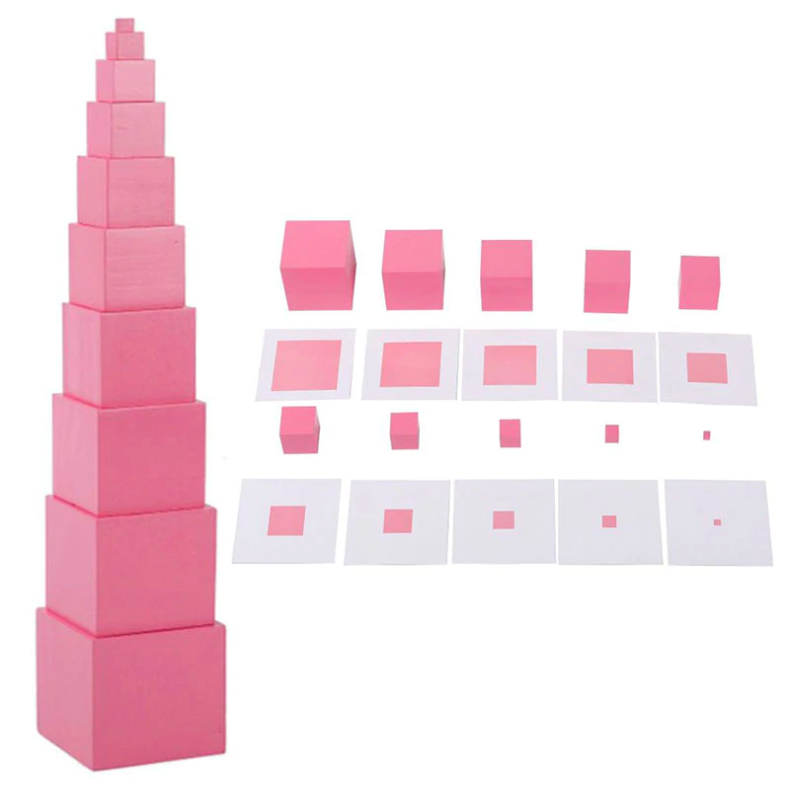
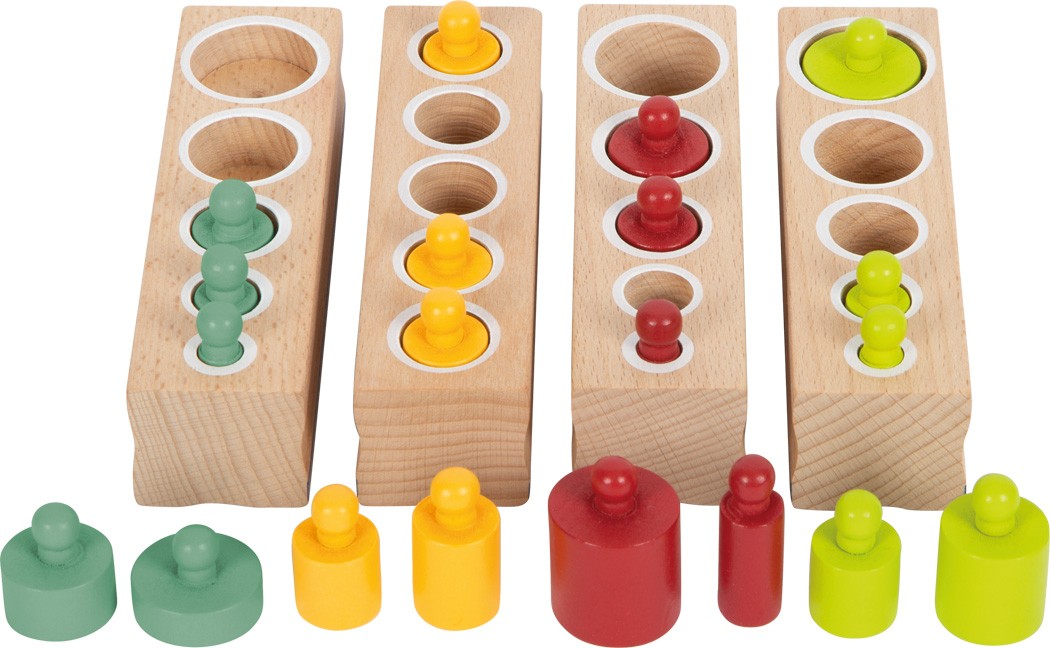
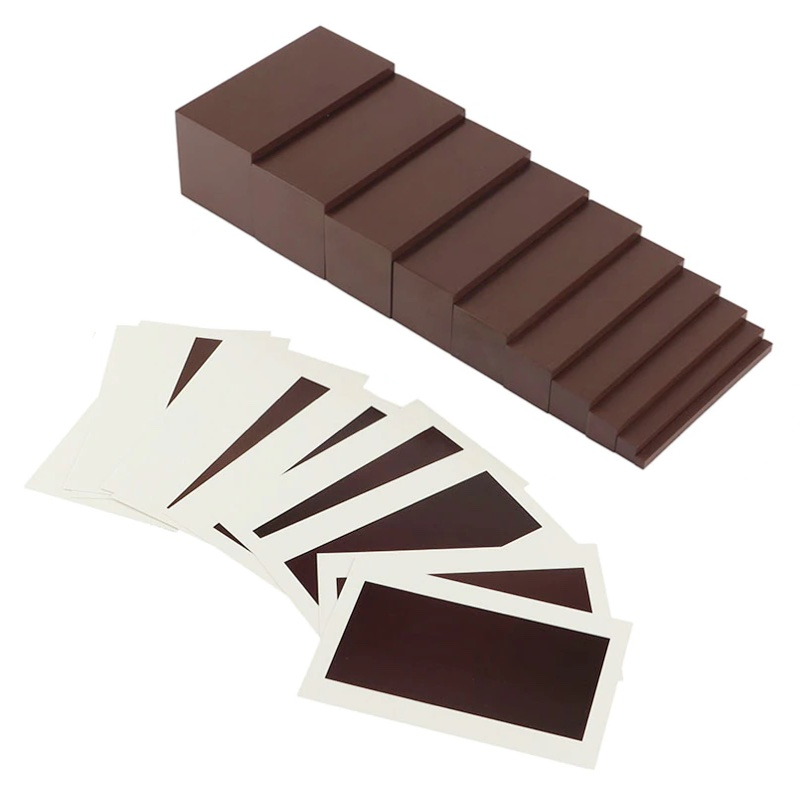
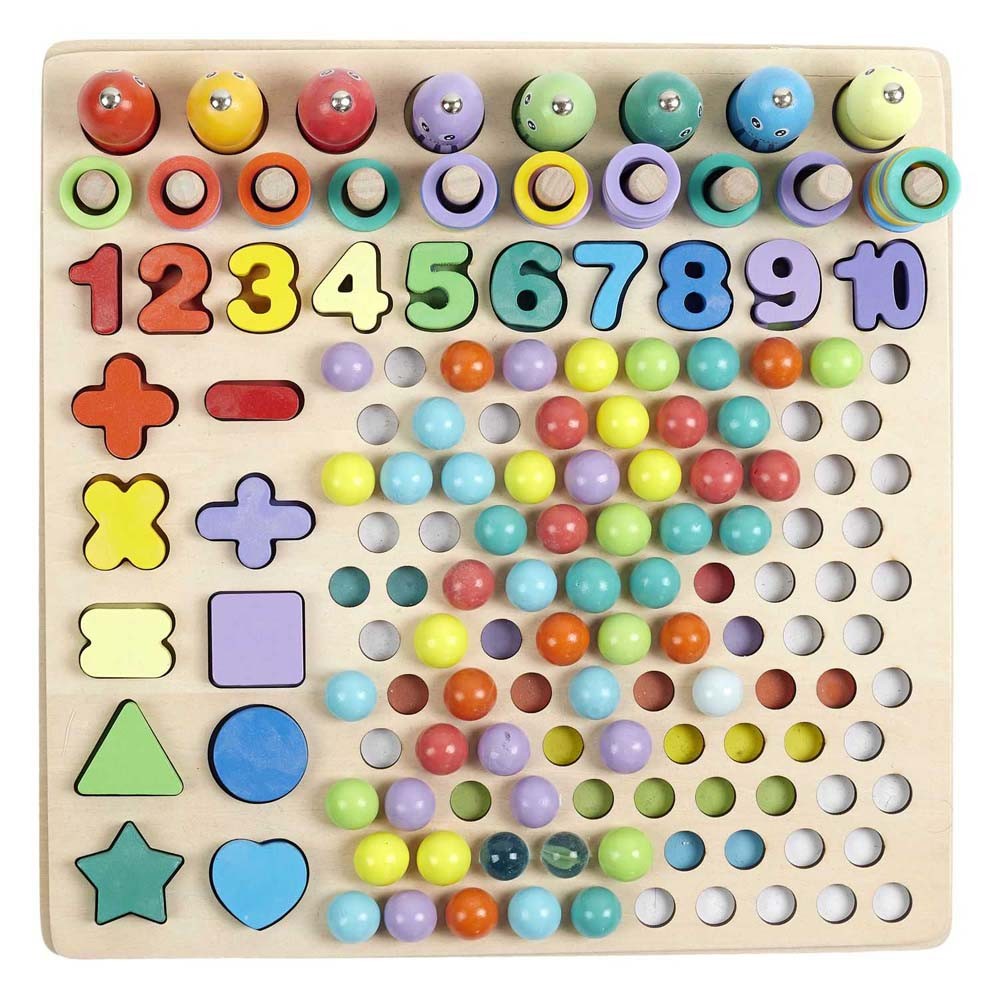
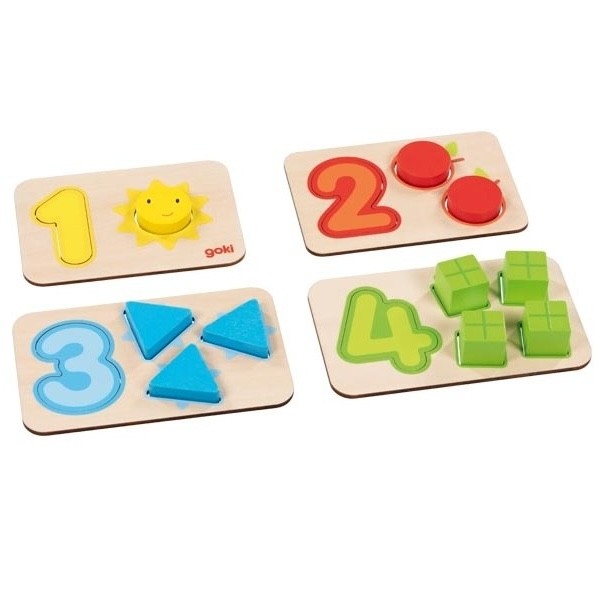
Before numbers mean anything, a toddler needs to feel bigger and smaller, more and fewer. The pink tower, one of the best-known Montessori teaching toys, does exactly that from 18 months: ten cubes to stack from largest to smallest. From age 2, the counting hands puzzle and the shape and number inset puzzle link a numeral to a number of fingers or pieces.
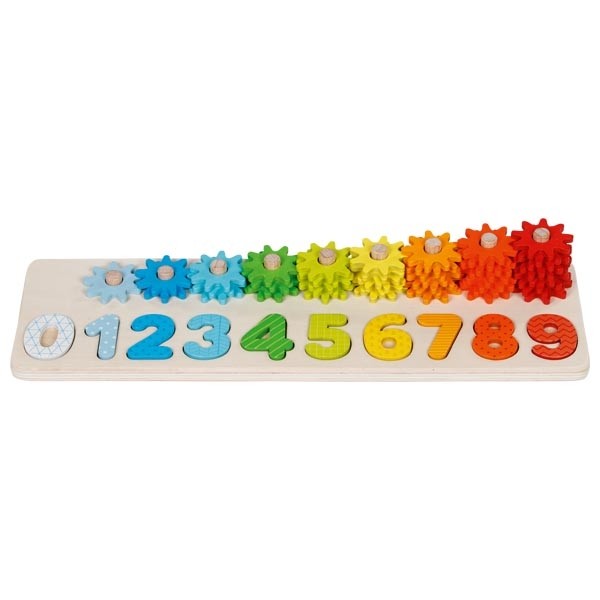
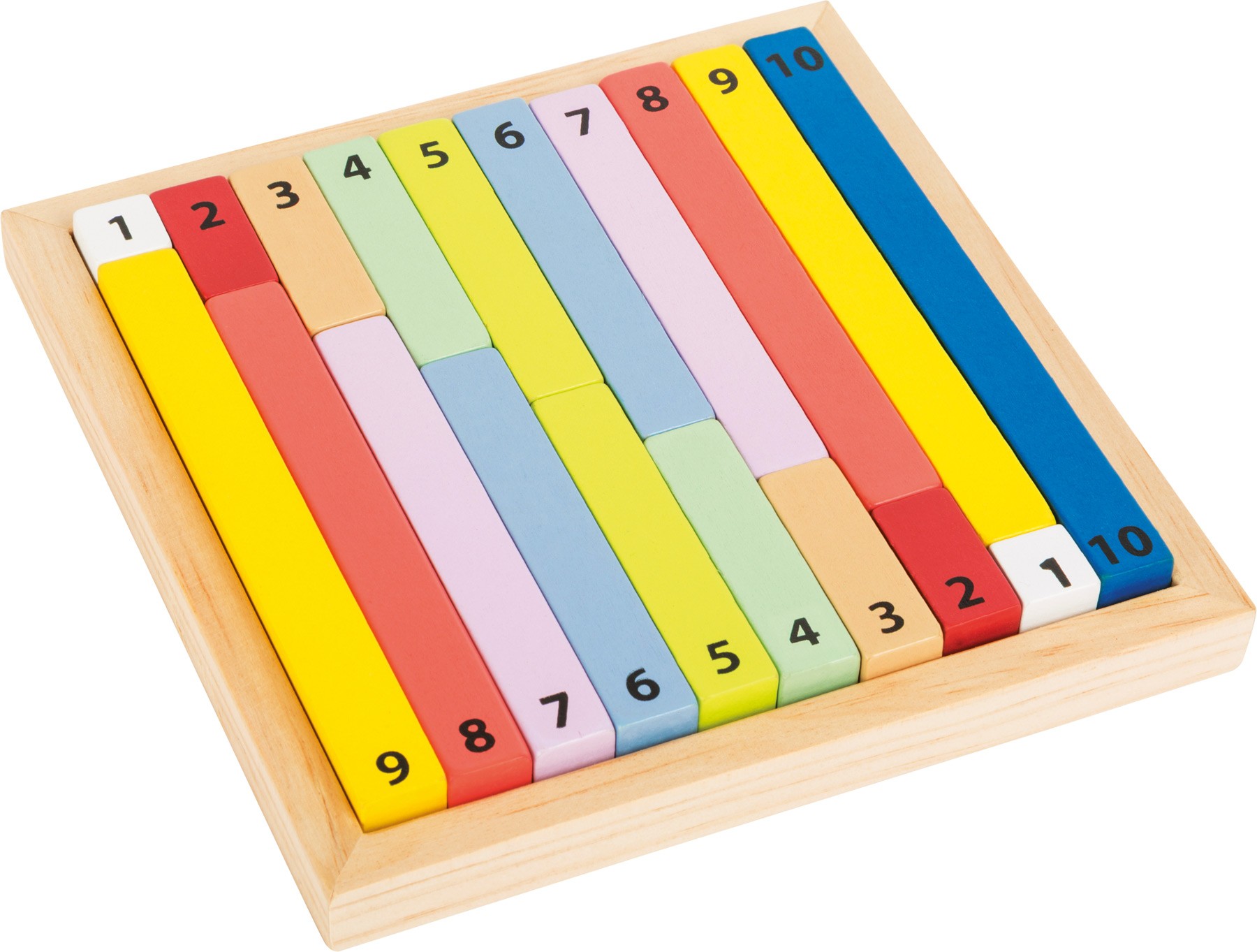
From 3, the 100-piece maths rods, the magnetic numbers and symbols set and the counting board with spinning gears turn counting into something your child can line up, sort and check alone.
Mathematical toys for sums, fractions and times tables
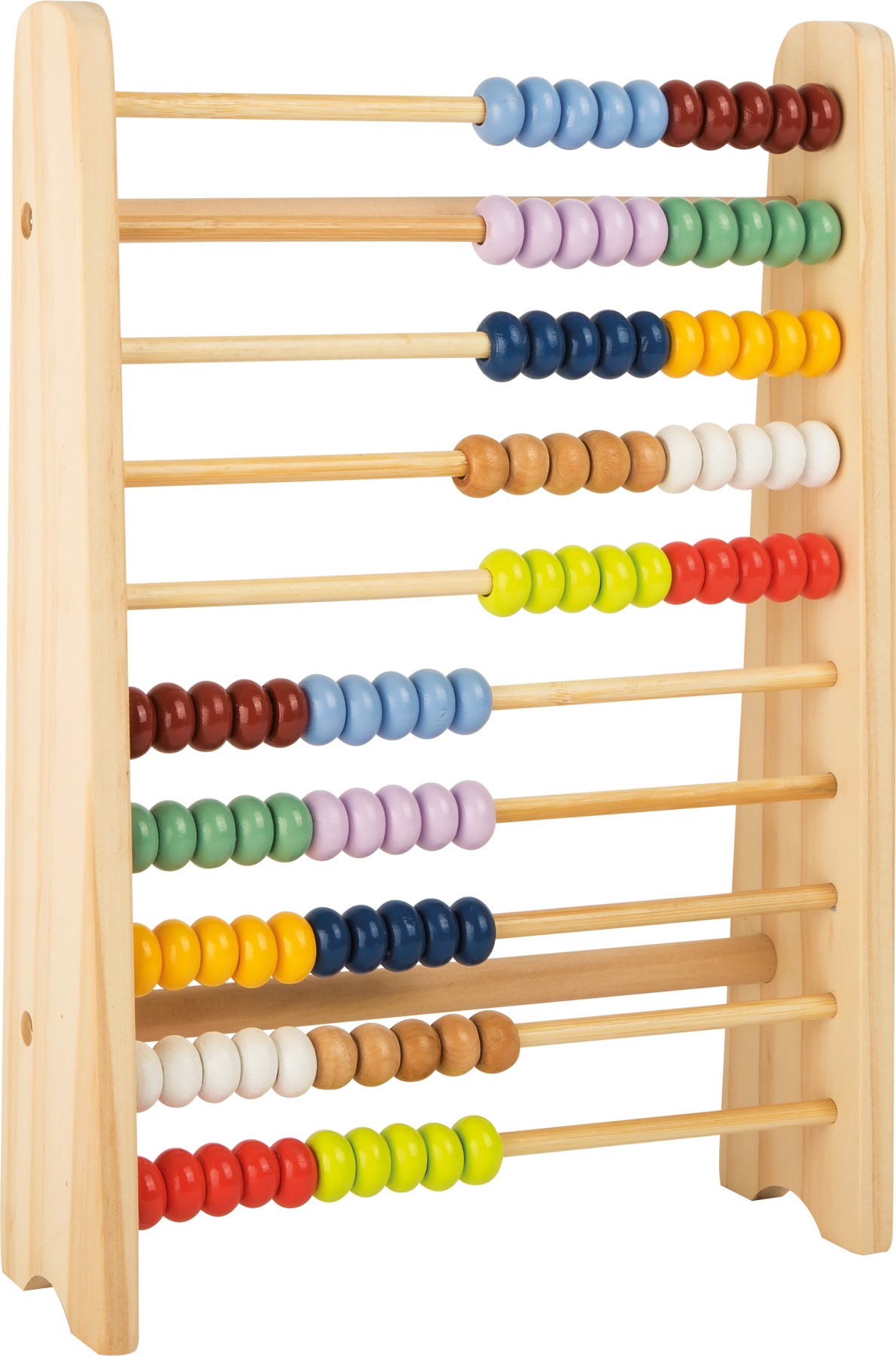
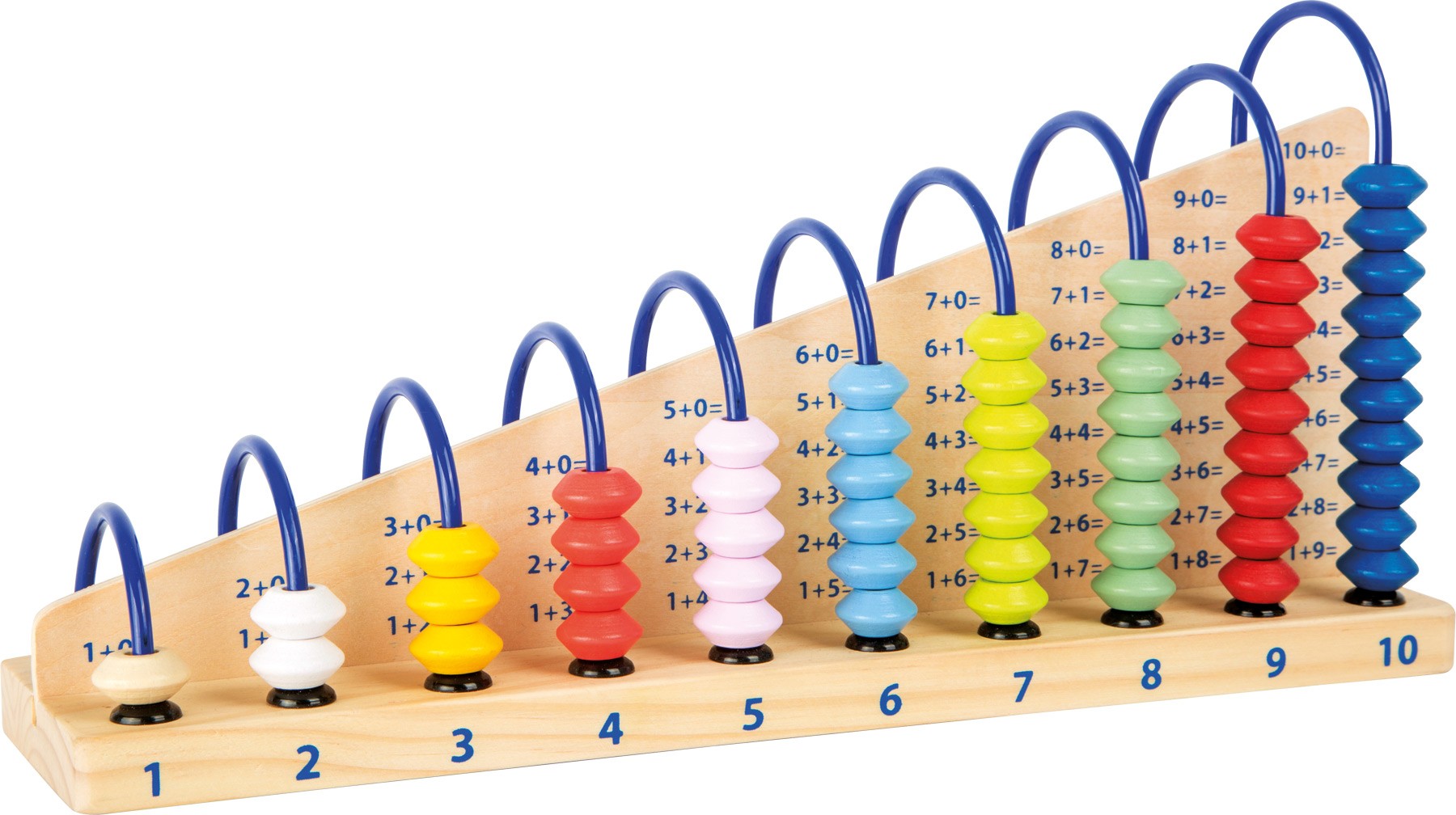
- Abacuses (ages 4+): from a Japanese-style soroban to a 100-bead frame for counting in tens.
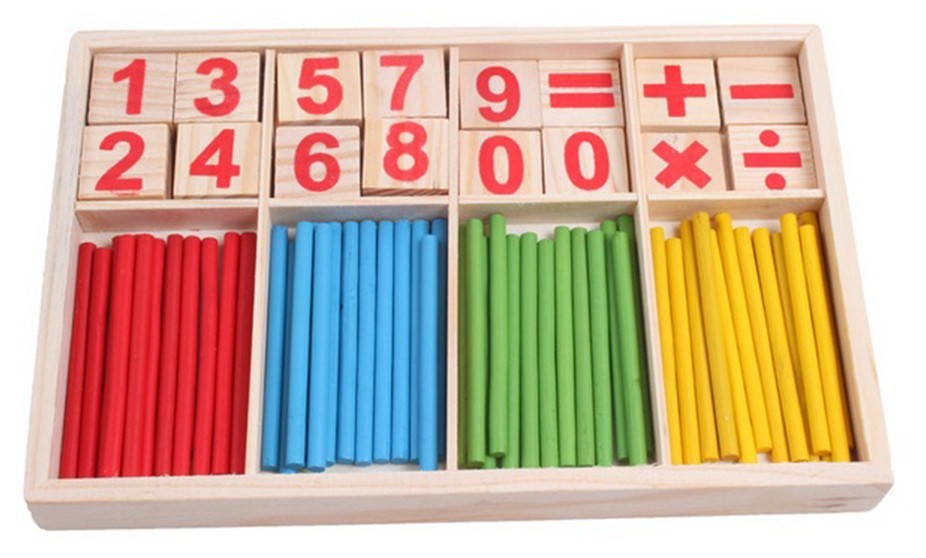
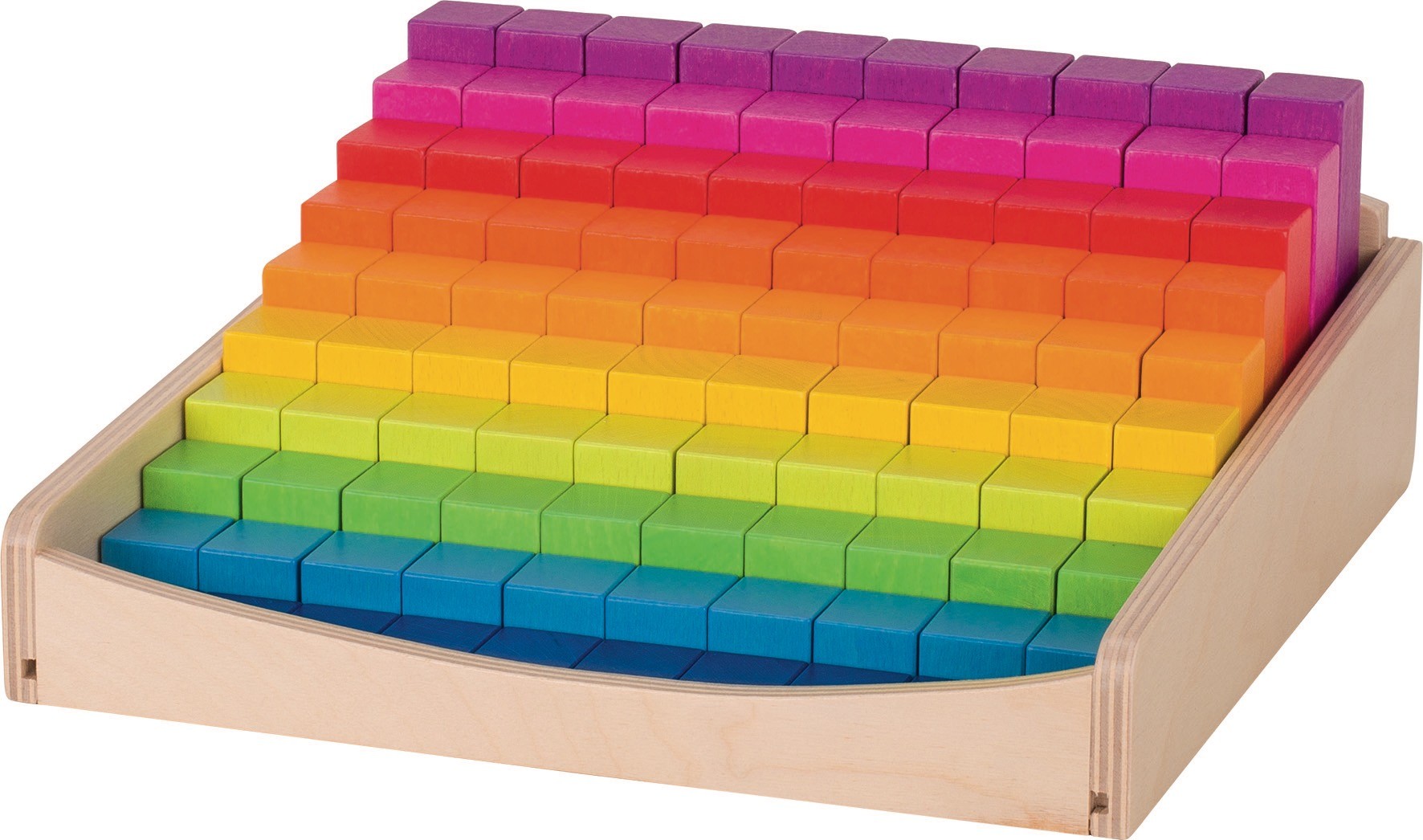
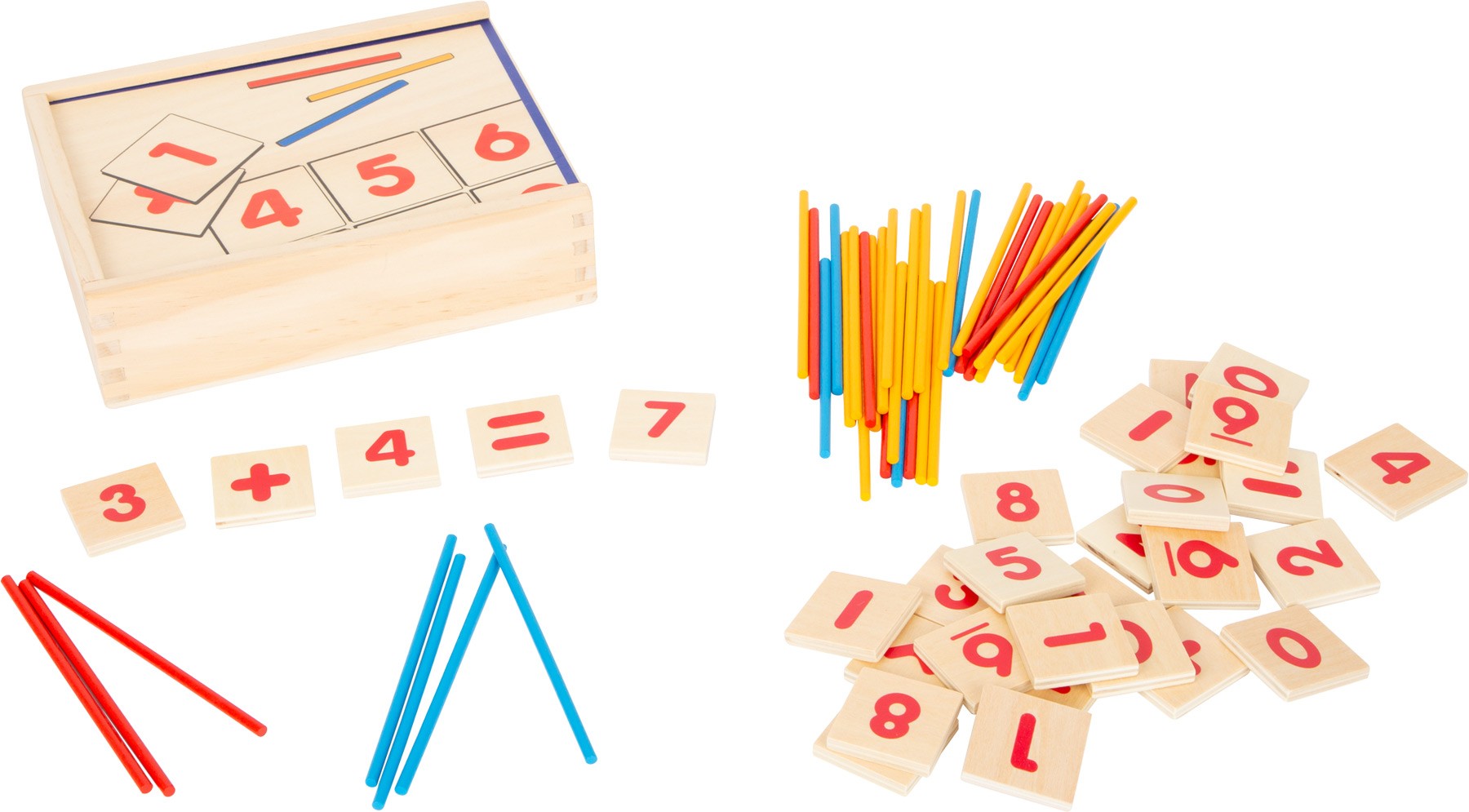
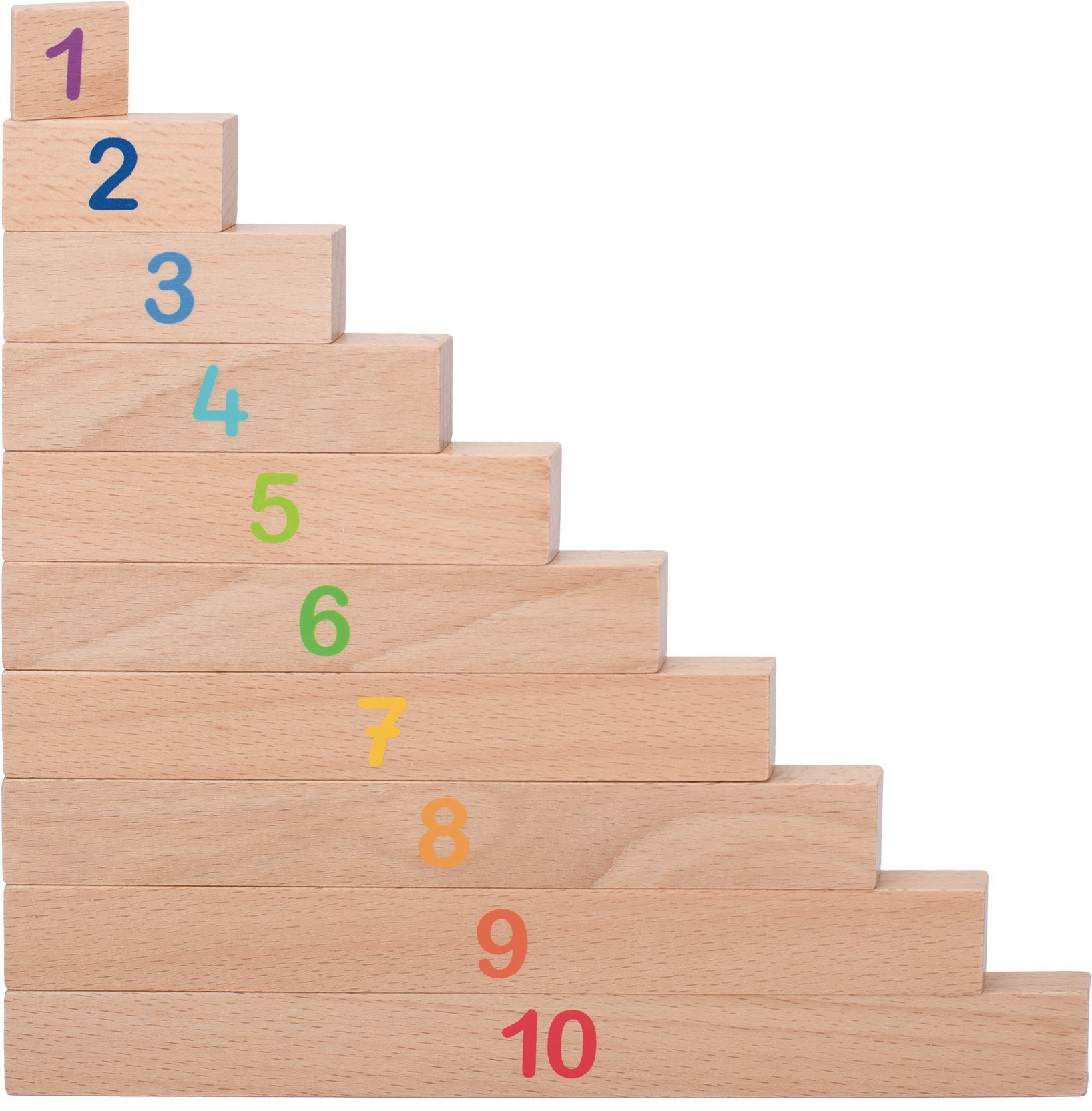
- Calculation rods and boxes: an arithmetic box with number tiles, large calculation rods and a rainbow rods set.
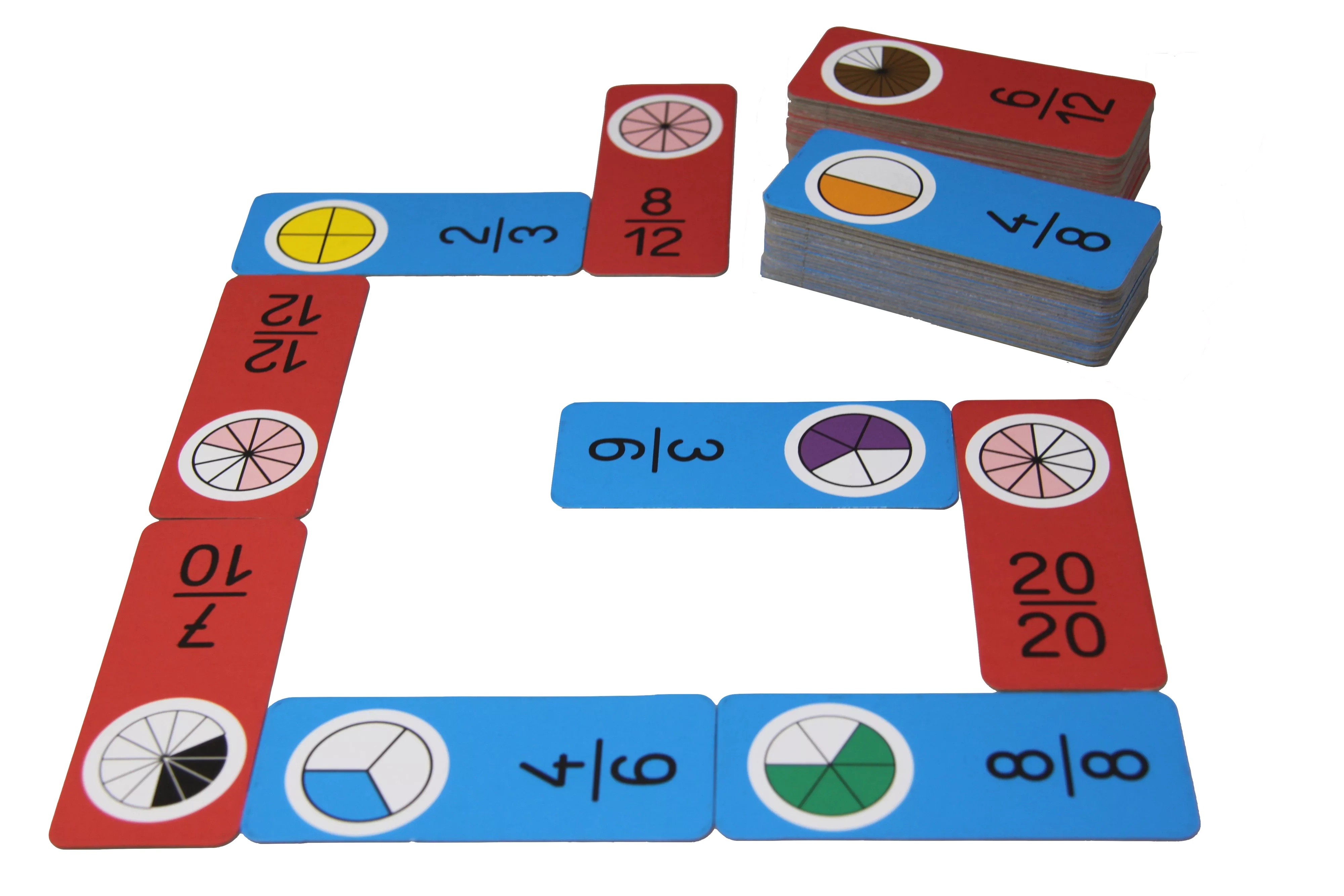
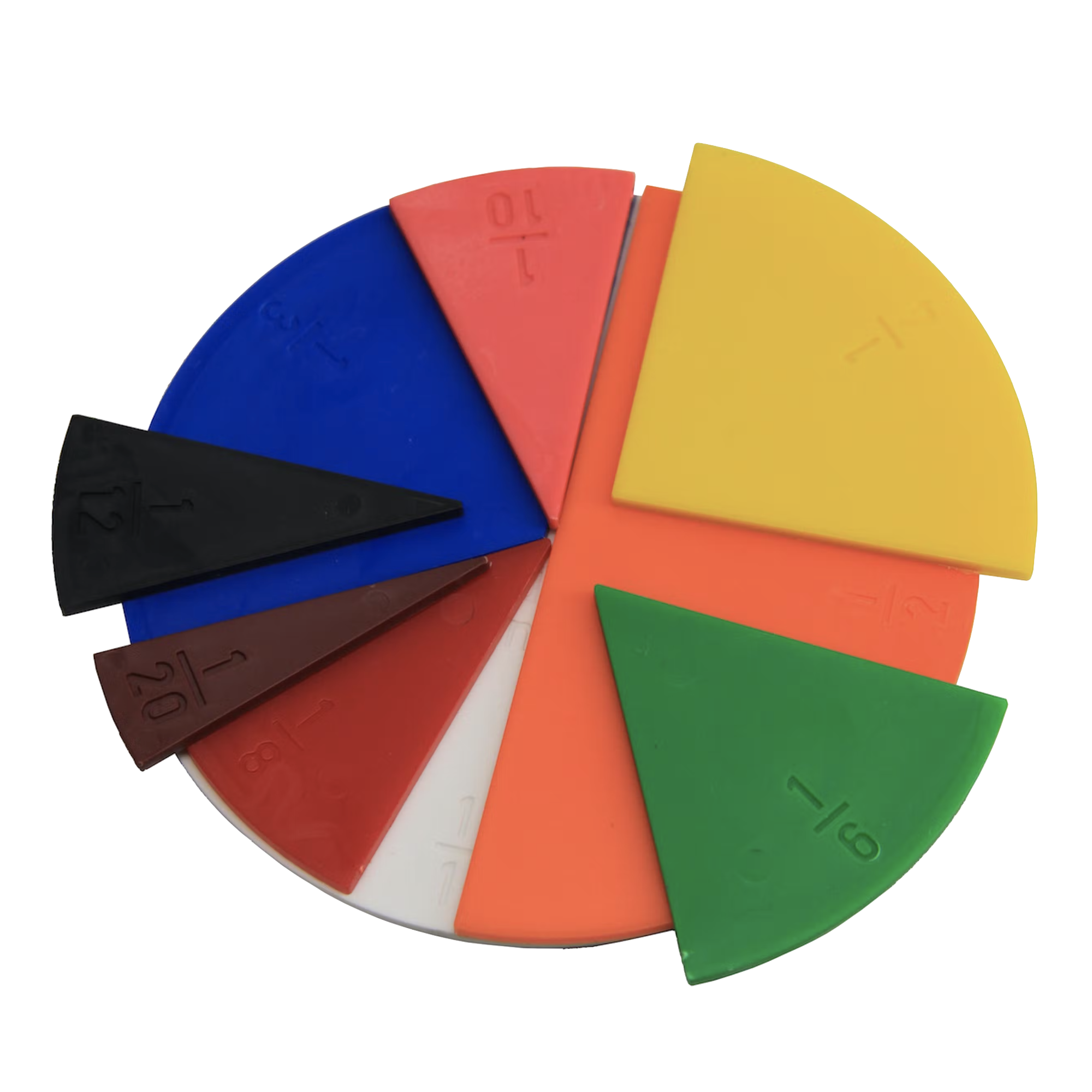
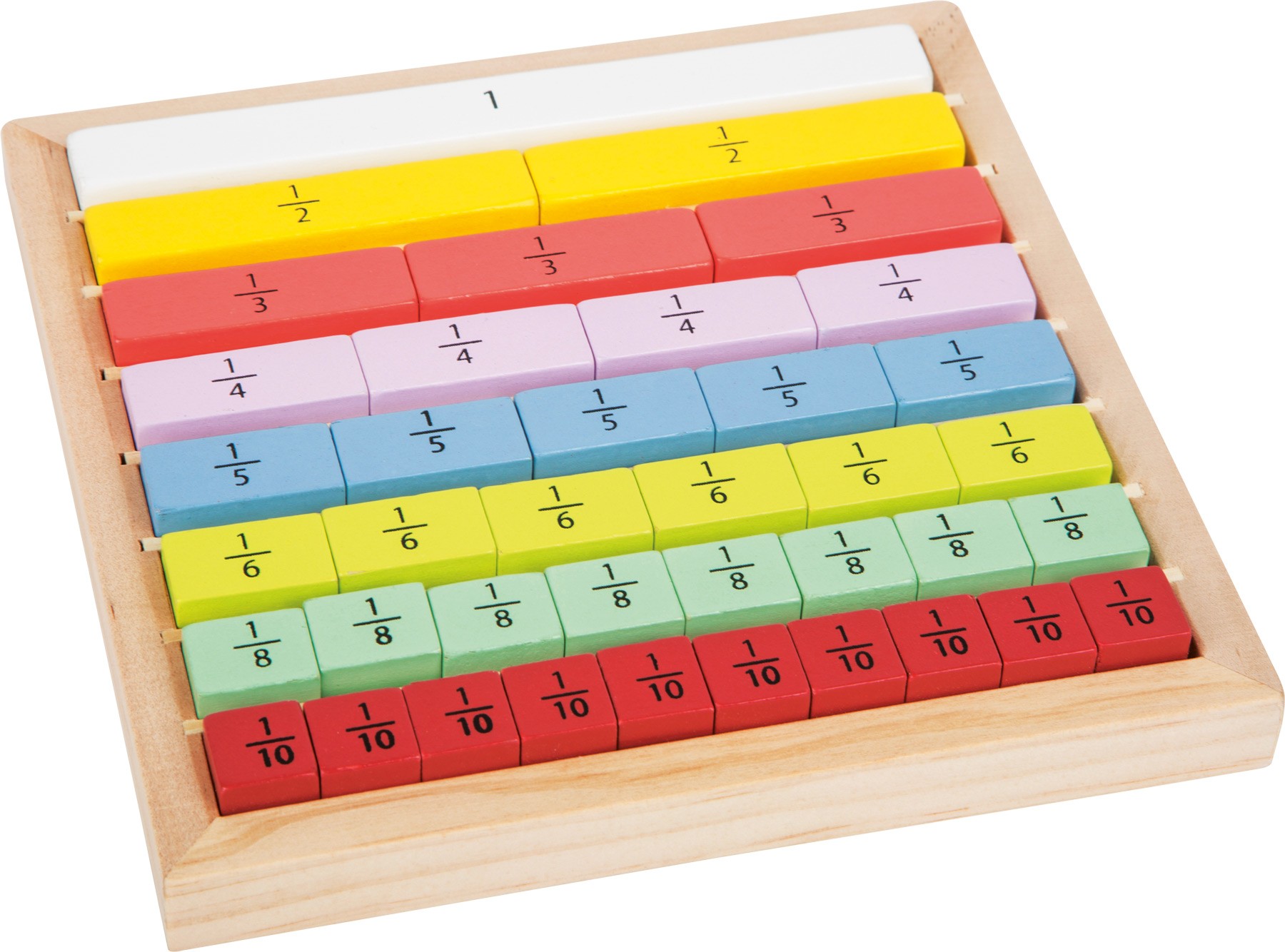
- Fractions (mostly ages 6+): a fractions learning box, fraction dominoes and a fraction calculator board.
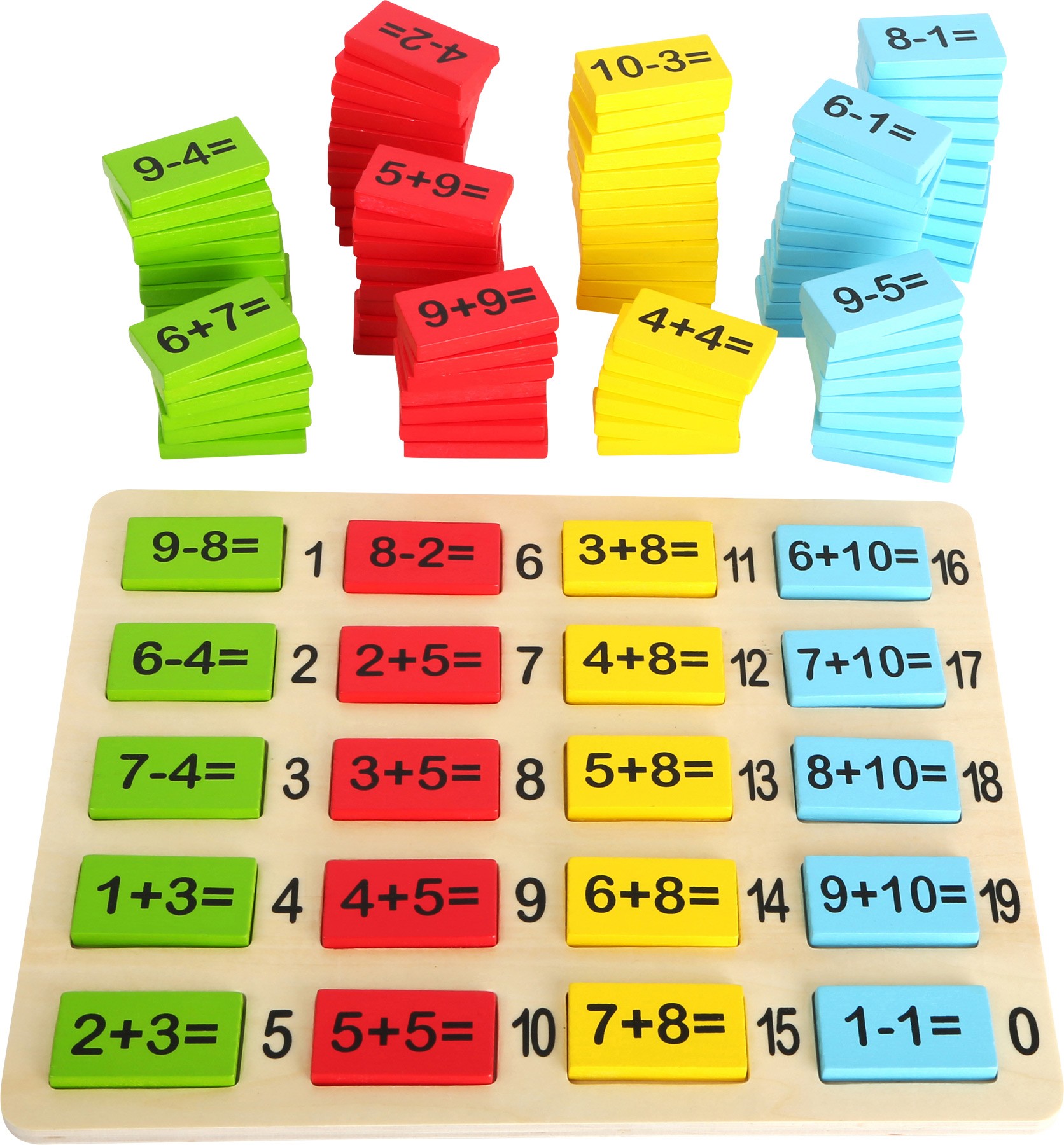
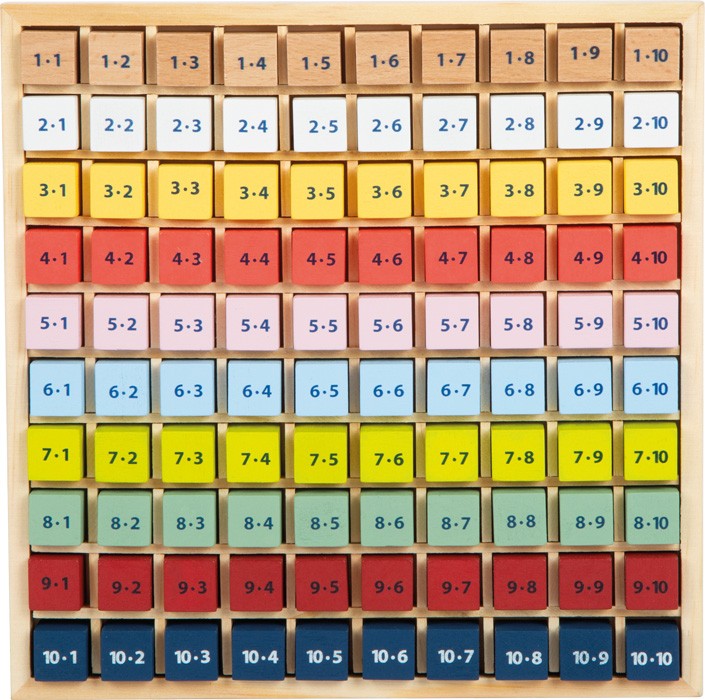
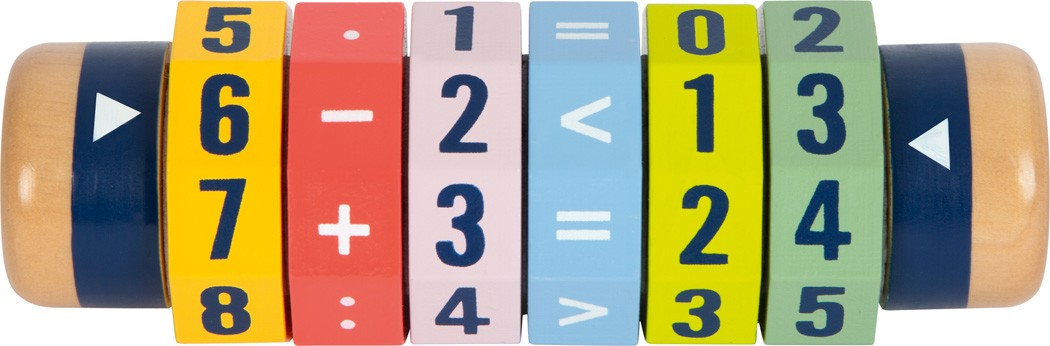
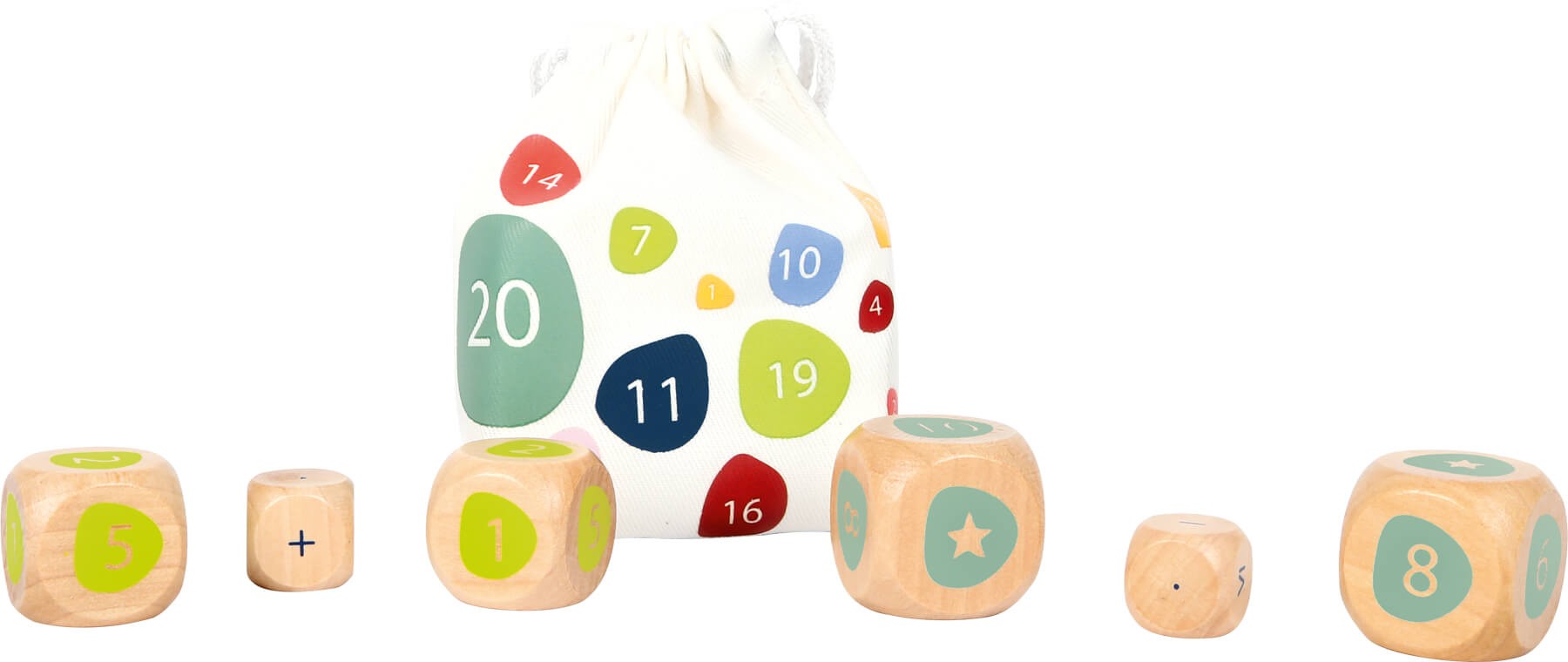
- Times tables and mental maths: a multiplication board, calculation dice and a wooden sudoku.
How to choose maths toys by age
Within the age shown on each product, look at counting rather than reciting: a child who says one to ten but cannot yet hand you seven beads needs more time with an abacus or rods. Once quantities feel easy, add the symbols: lay out the beads, then find the matching number tile together.
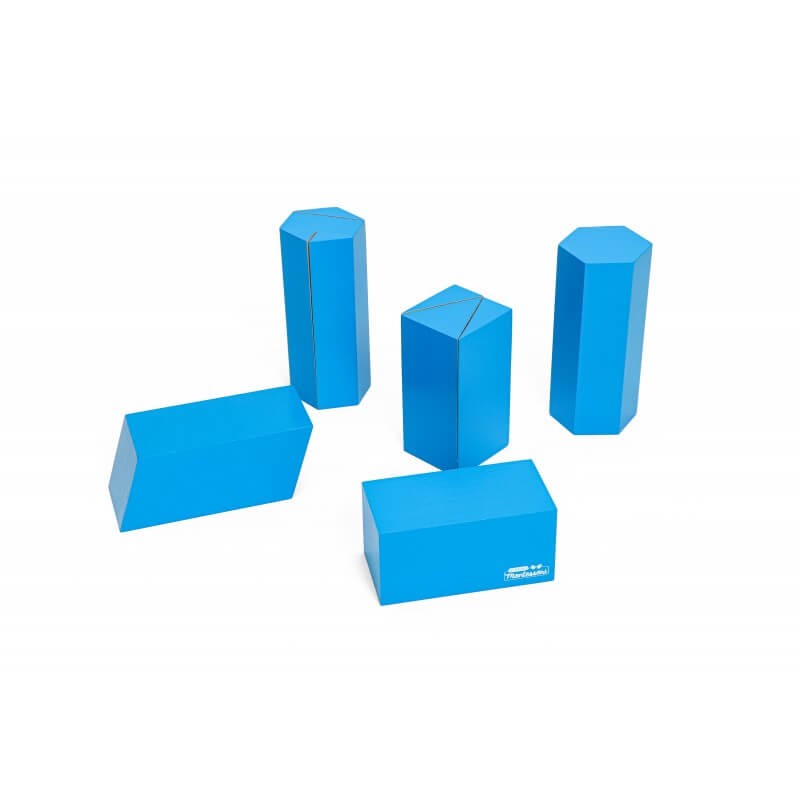
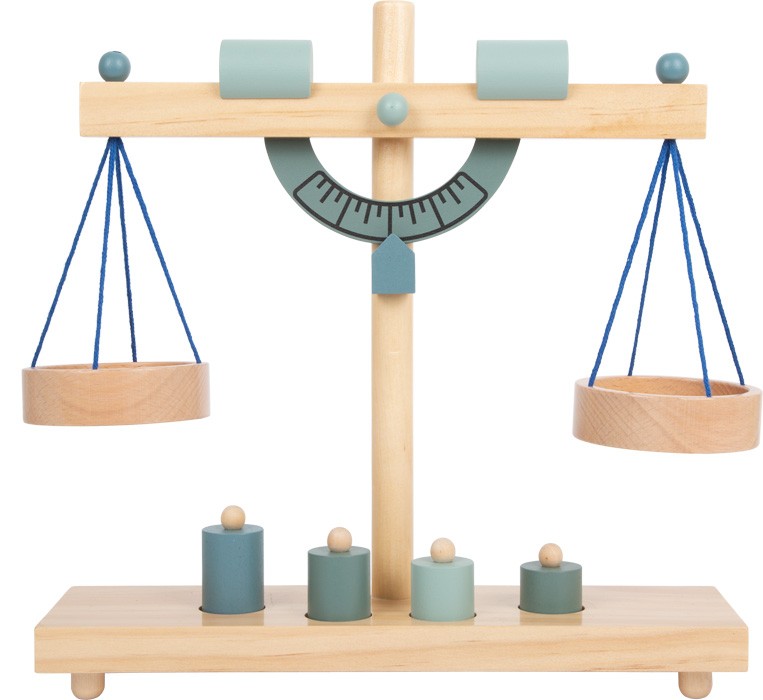
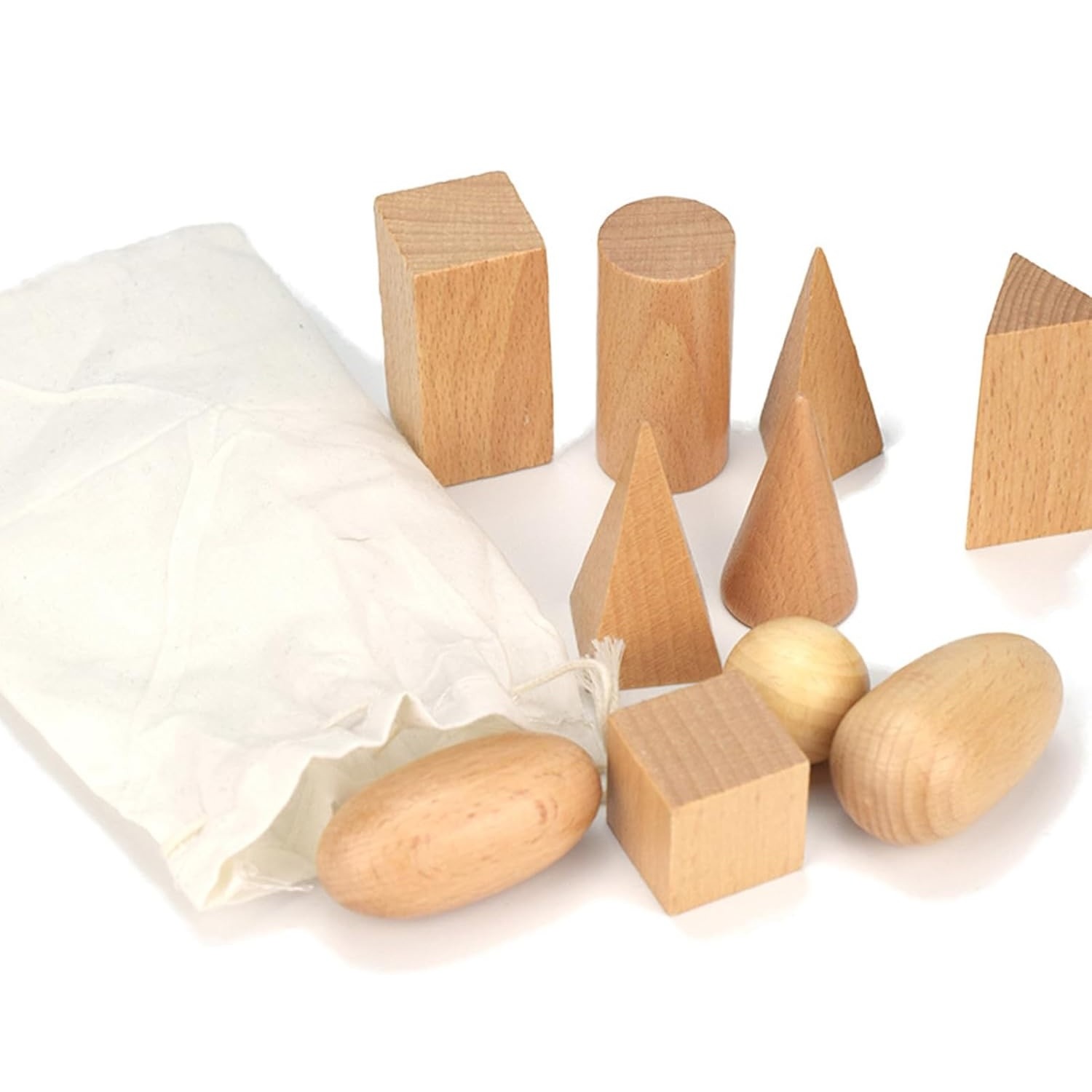
A balance scale with brass weights, geometric solids and inset shapes round off the range for children who prefer comparing and sorting to counting: two handfuls of beads on the scale make a first lesson in "more" that needs no numbers at all.
Guides d'Éveil Associés à « Mathematics »
Guide Jouets Montessori 3 à 6 Ans : Langage, Mathématiques & Logique
Perles dorées, lettres rugueuses et manipulation concrète des quantités.
Le Tangram en Bois : Géométrie Sensorielle & Patience
Les 7 pièces de sagesse pour stimuler la vision spatiale et la résolution de problèmes.
La Méthode Montessori : Les 9 Piliers Pédagogiques Fondateurs
Autonomie bienveillante, esprit absorbant et posture de l'adulte selon Maria Montessori.