





You've discovered all toys in this category!
Guide & Pedagogy: Board Games
Development advice and benefits of the Montessori method
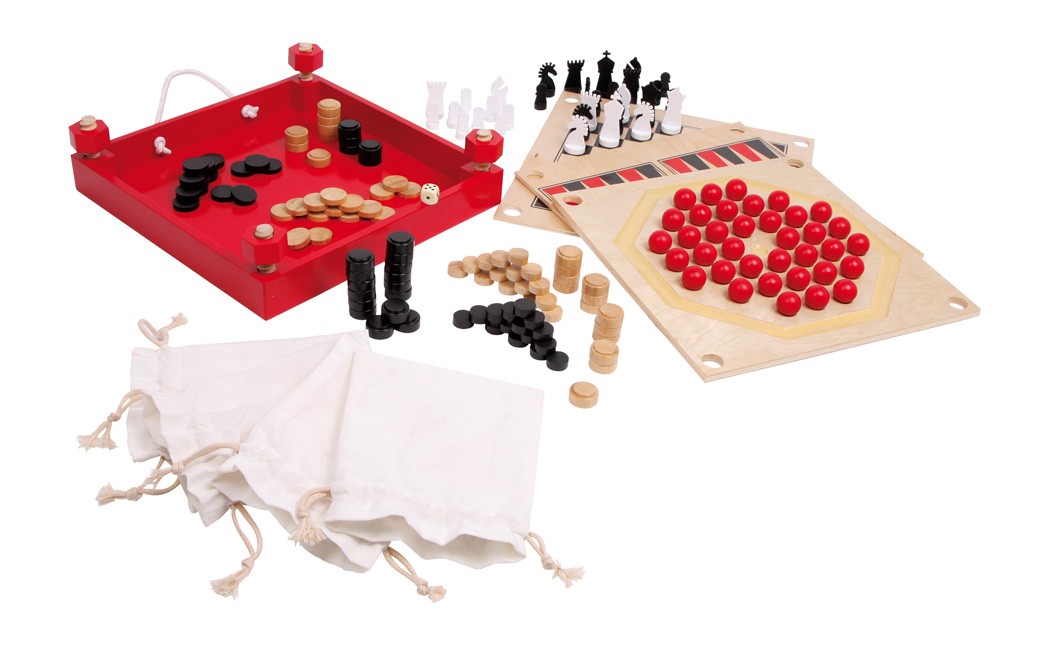
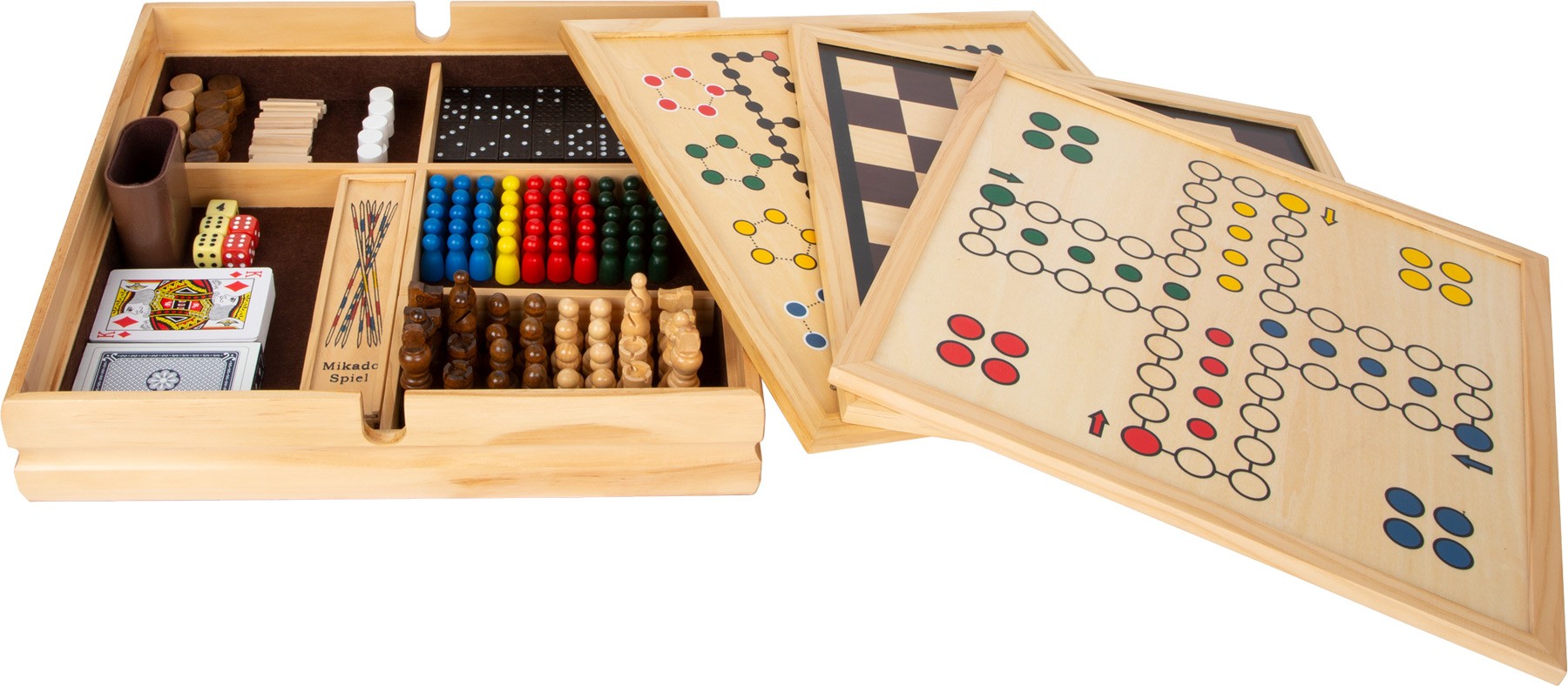
Wooden board games bring the whole family round the table, from a first colour lotto at age 3 to rummikub, chess and a compendium of 20 classics for older children and grown-ups. Solid pieces and simple rules make the first rounds easy to explain.
Board games for 5 year olds and under
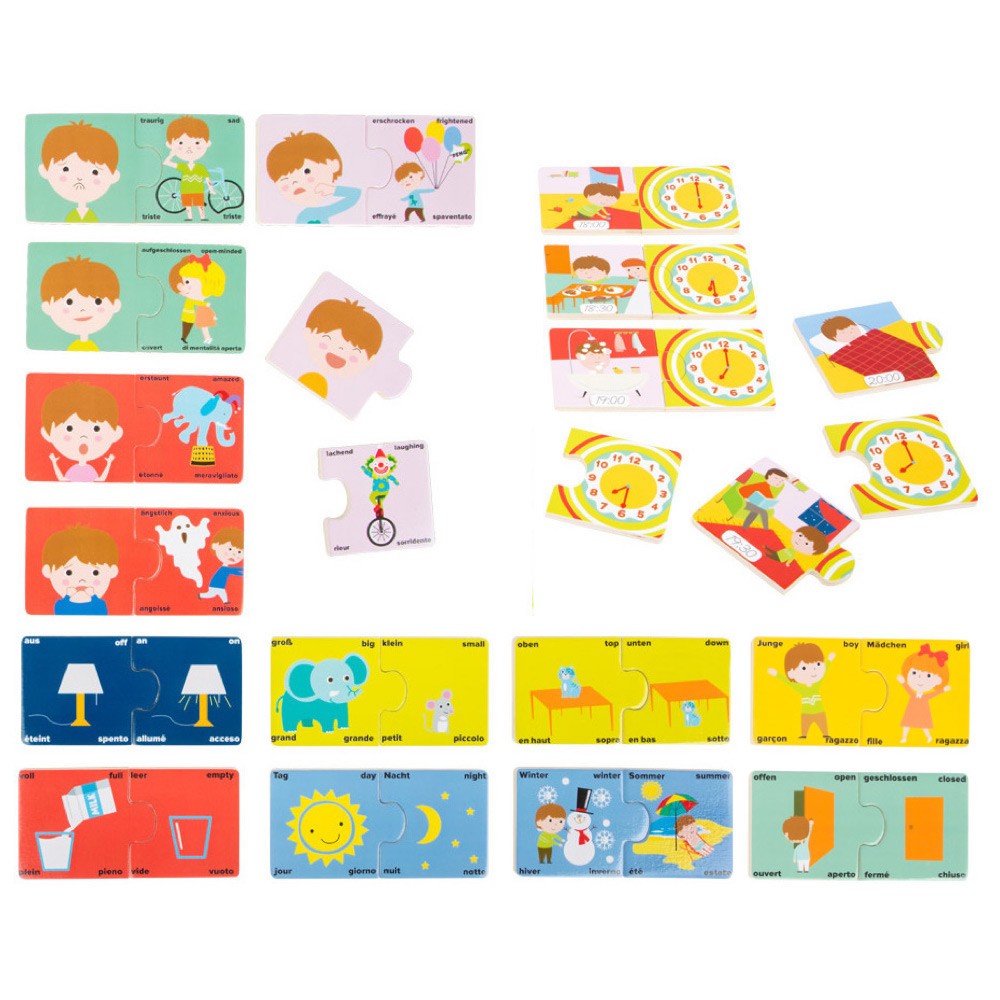
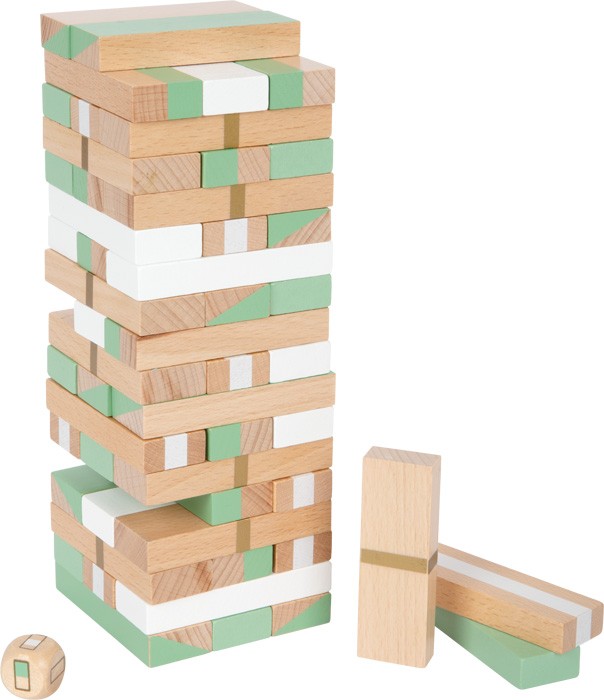
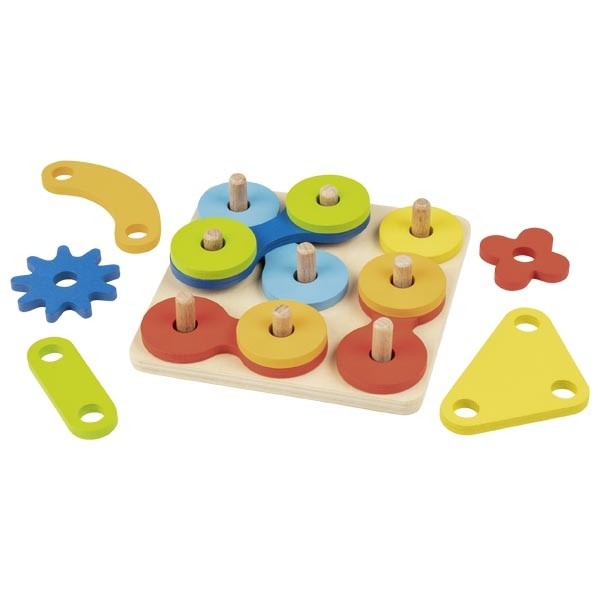
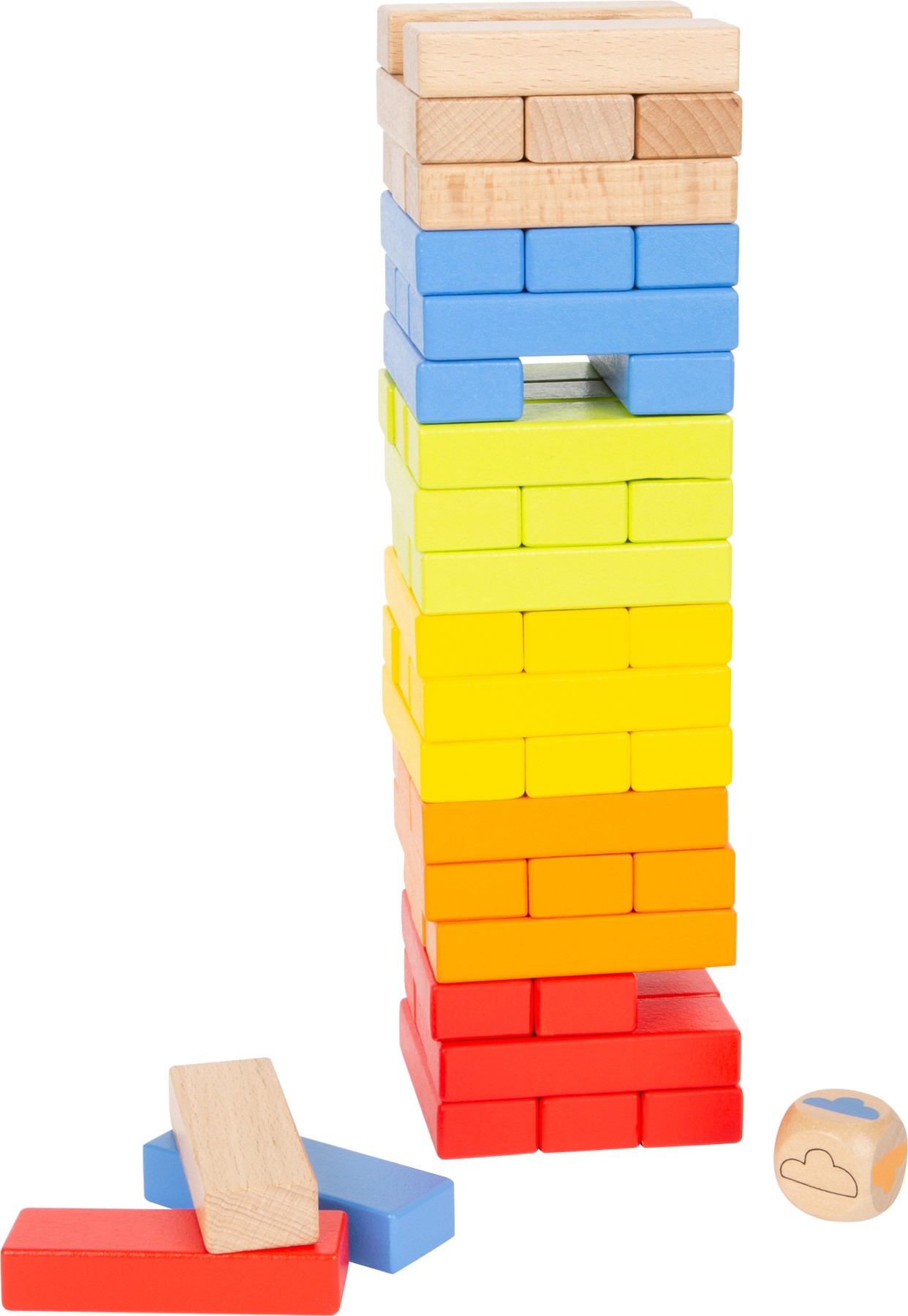
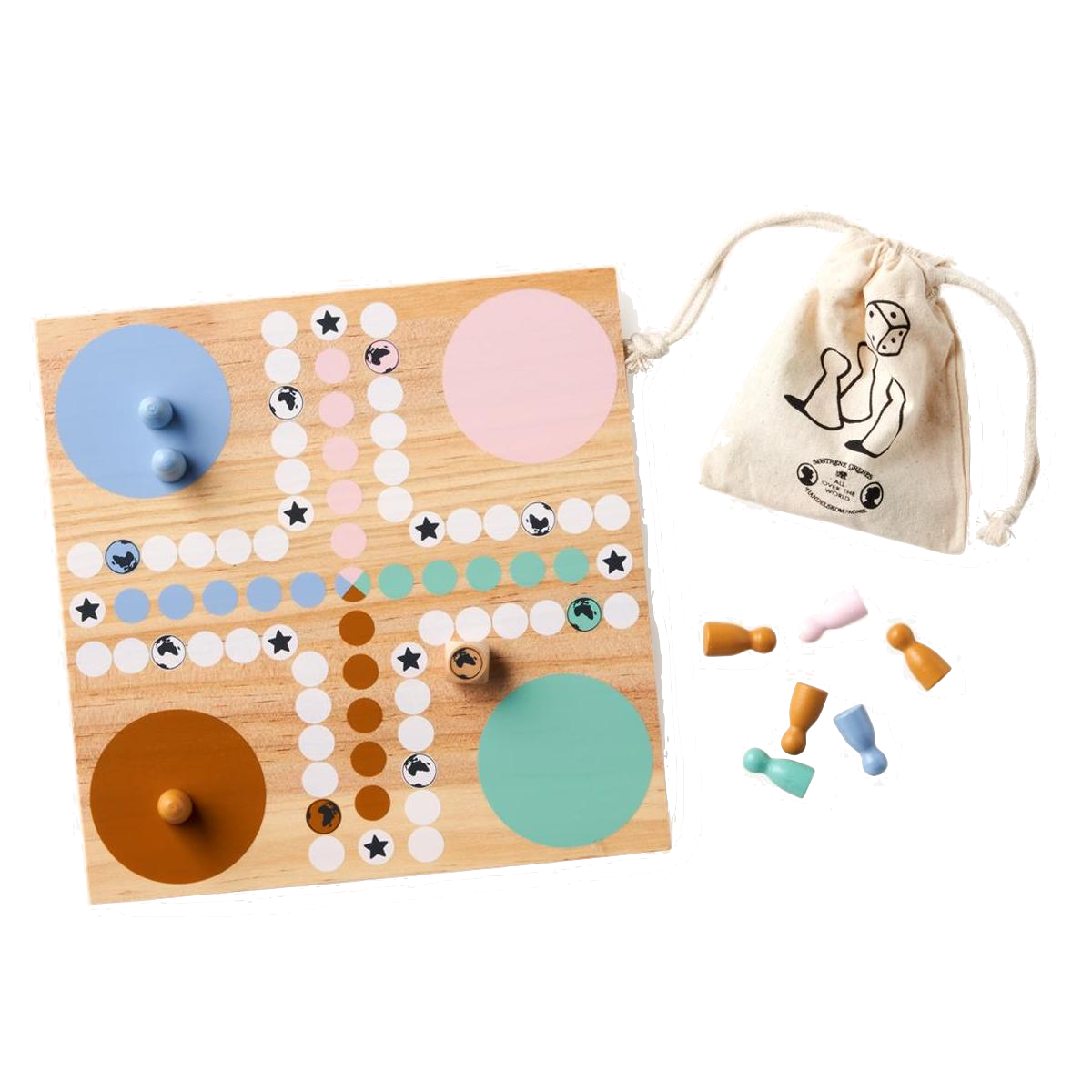
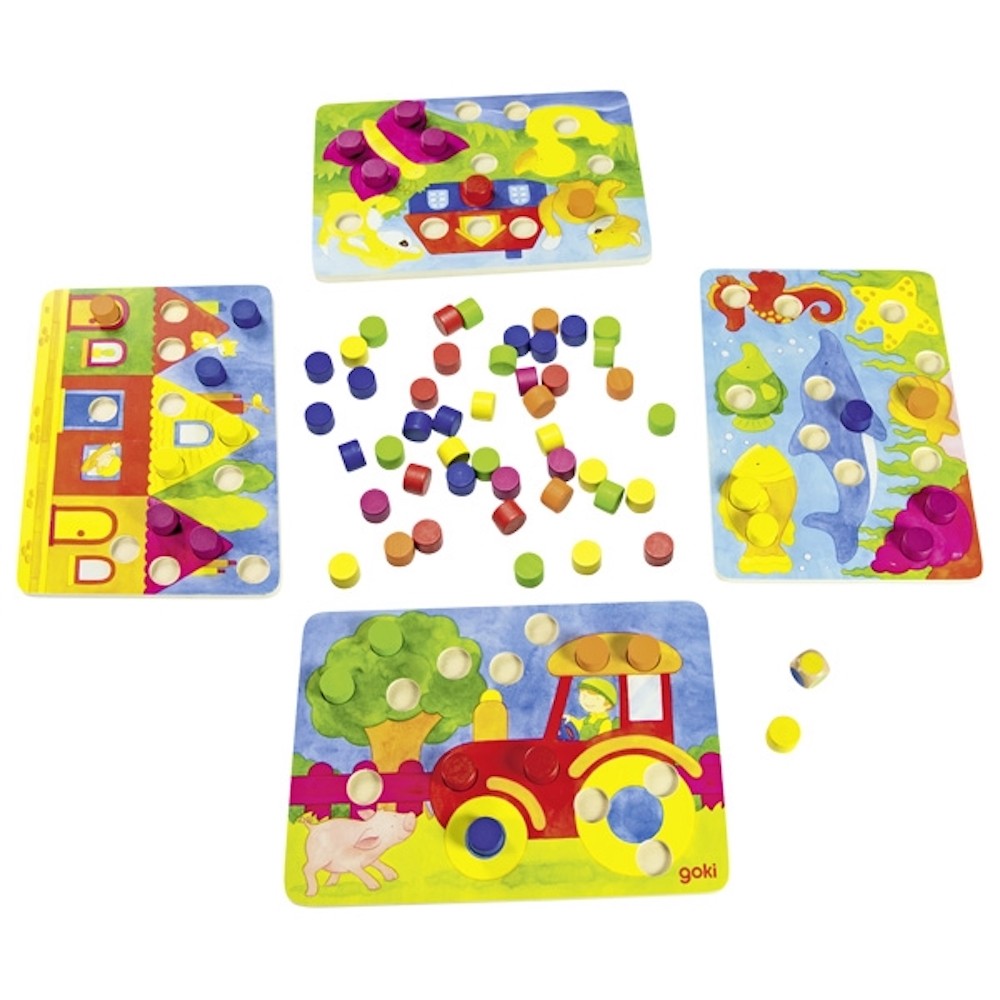
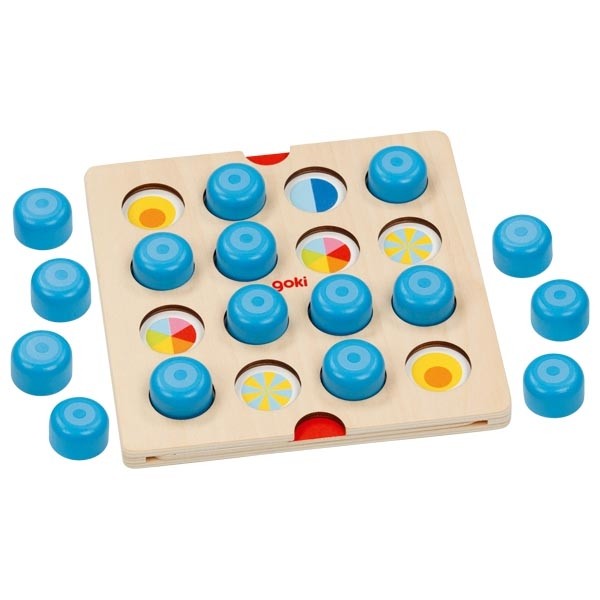
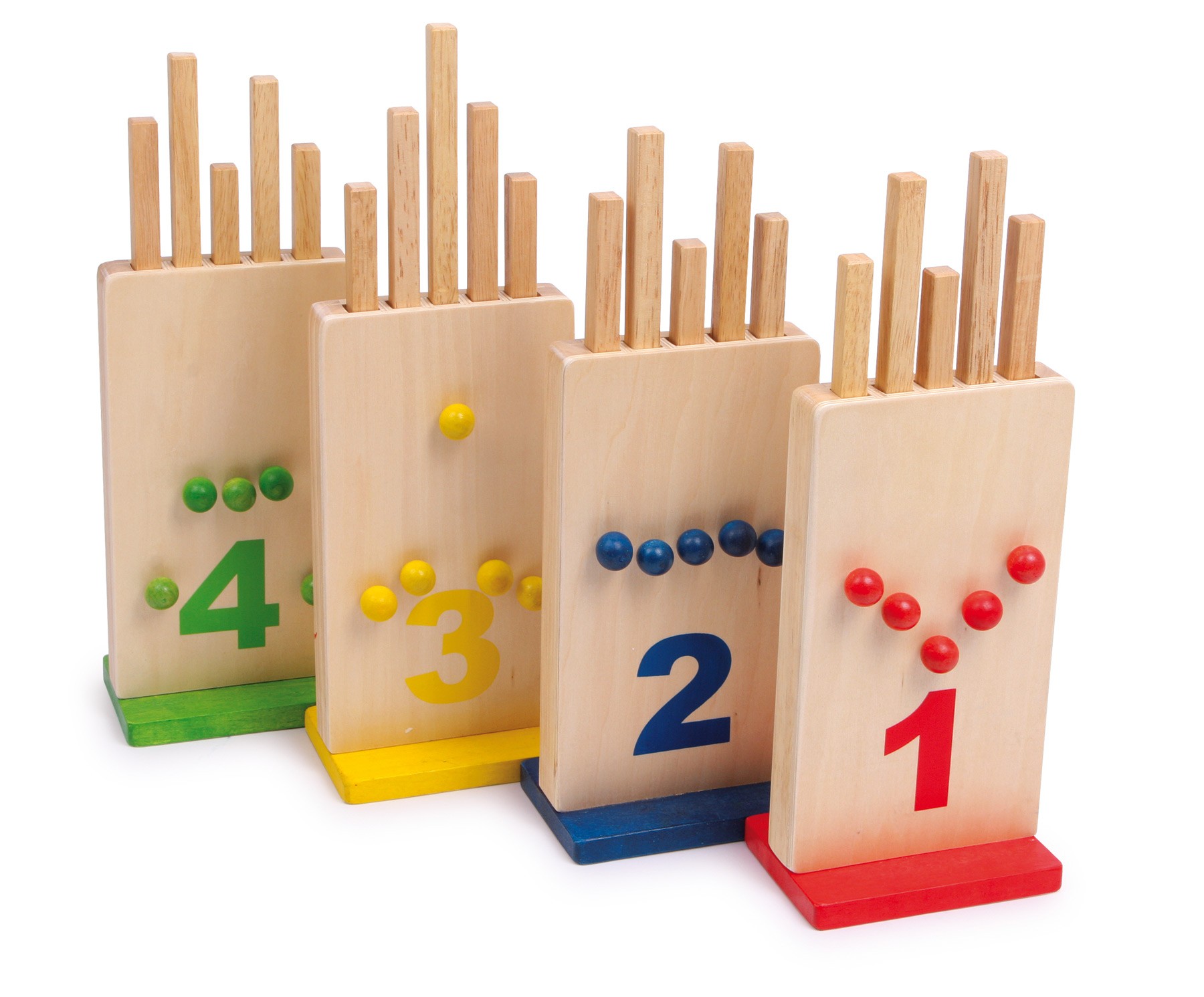
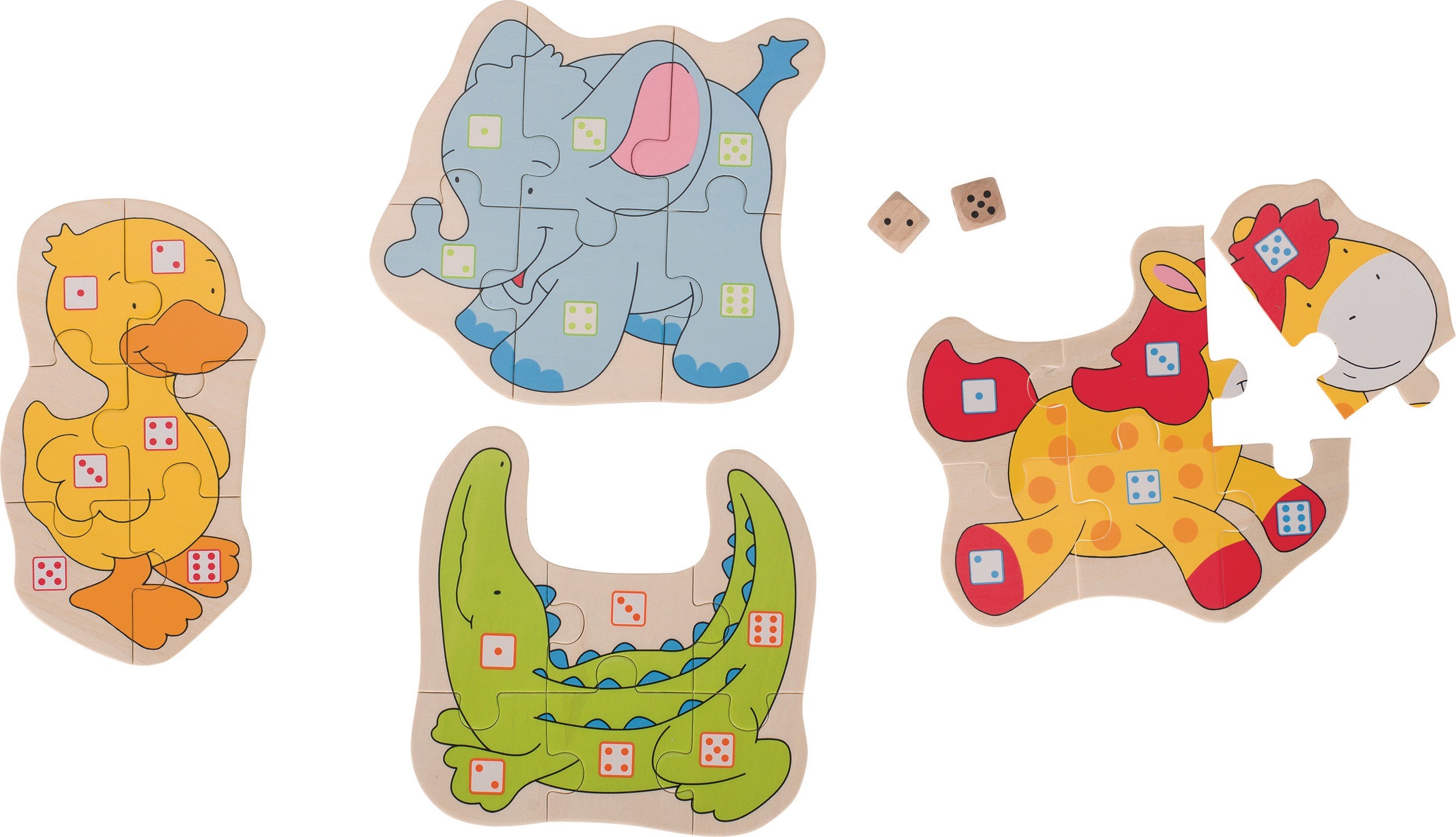
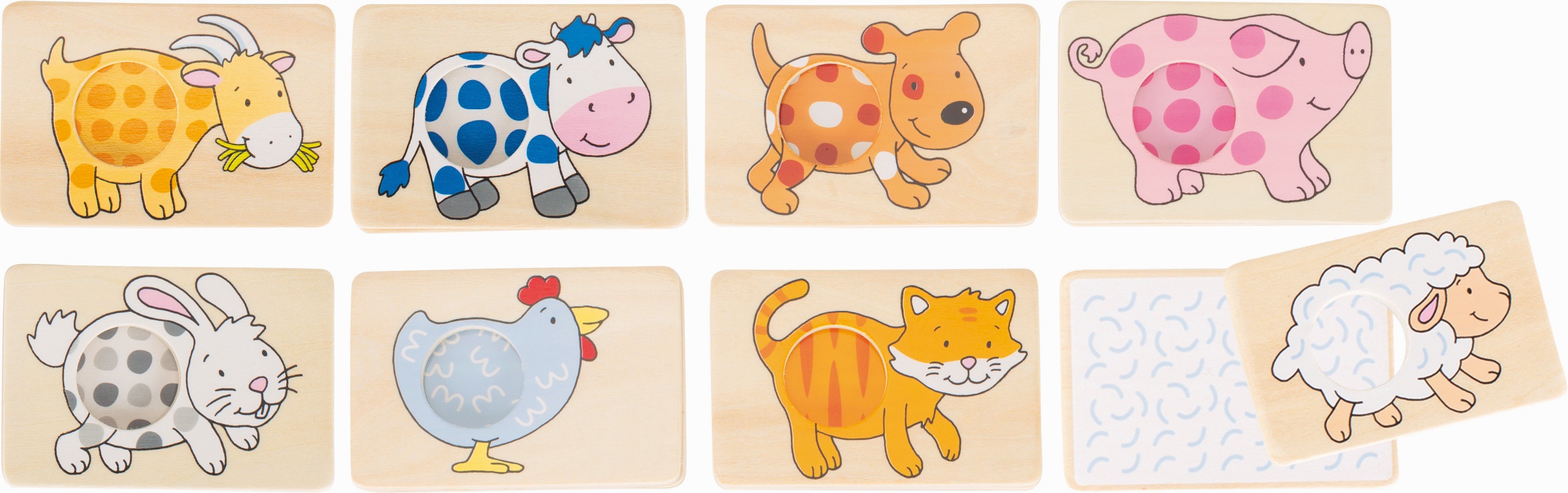
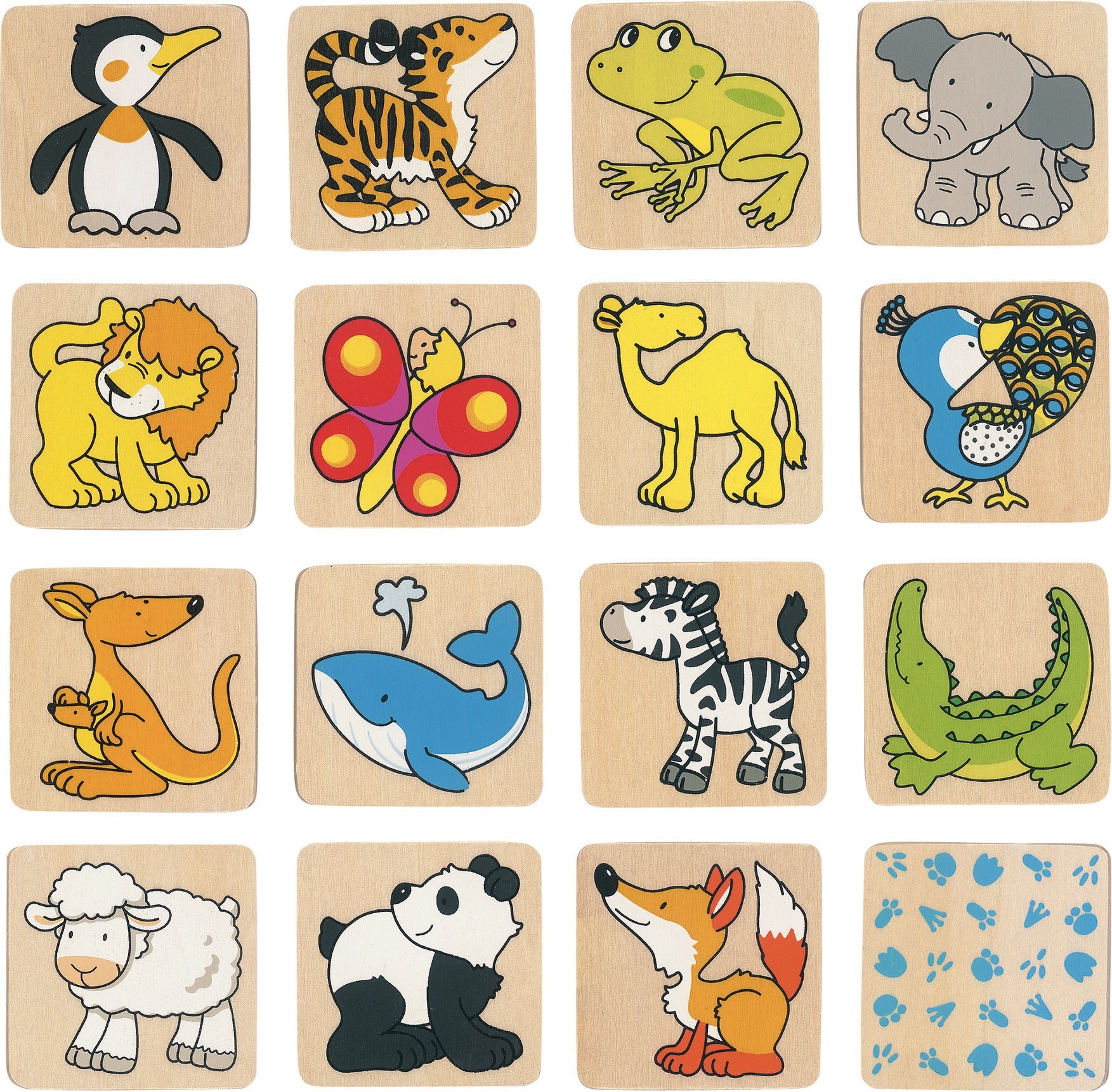
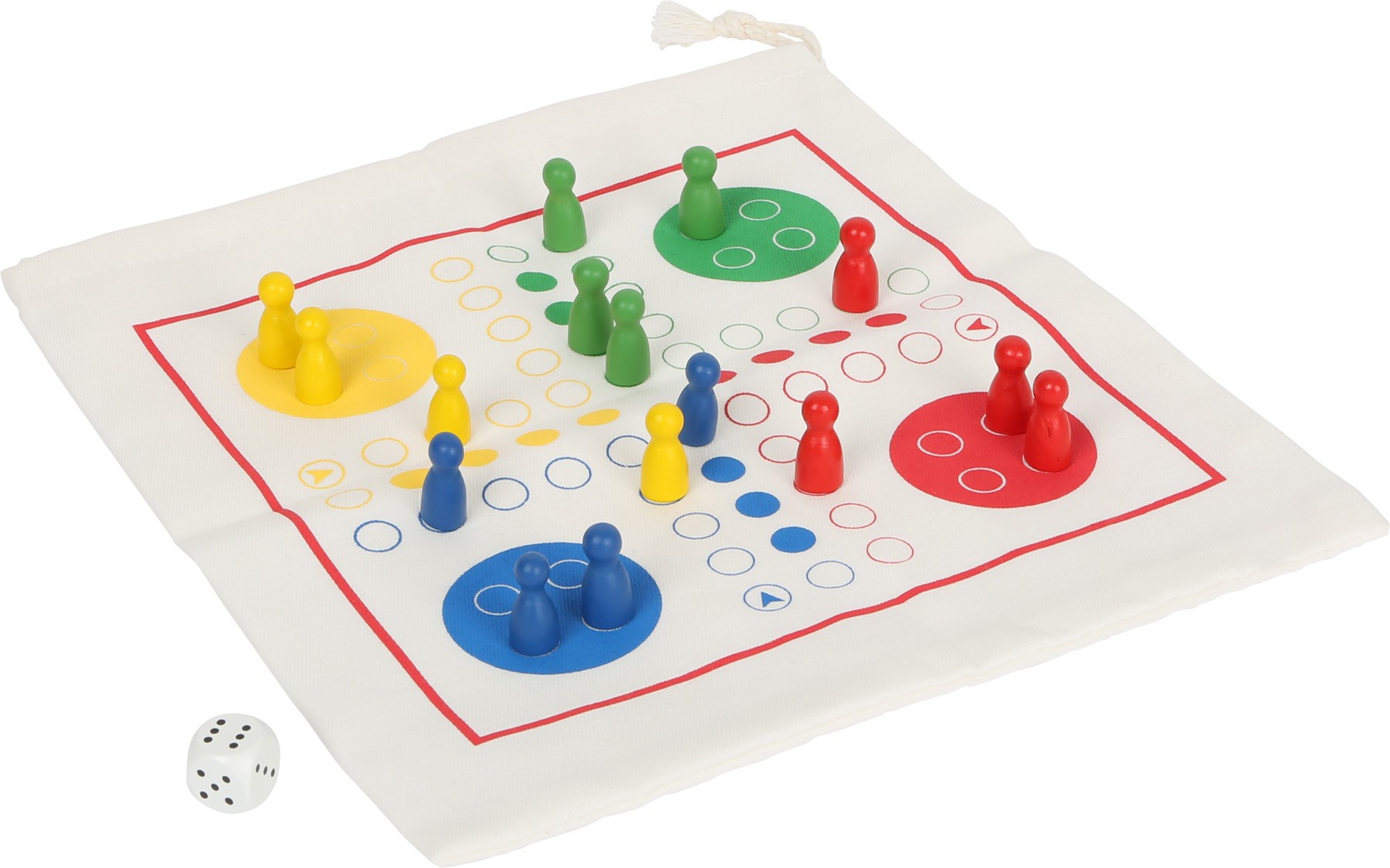
The first games ask a child to match rather than to win, much like the sorting work of other Montessori teaching toys: a colour lotto with four boards, animal memory tiles, fur and pattern pairs. Taking turns is the real lesson, and a round lasts about as long as a three-year-old can sit still. From 4, a travel or Scandinavian ludo brings dice, counting and the thrill of sending someone back home, while the tumbling tower and spring mikado call for a steady hand.
With a three-year-old, lay the memory tiles face up at first, so the game is simply spotting pairs, then turn a few more over each round until the whole set is played face down.
Classic two-player board games
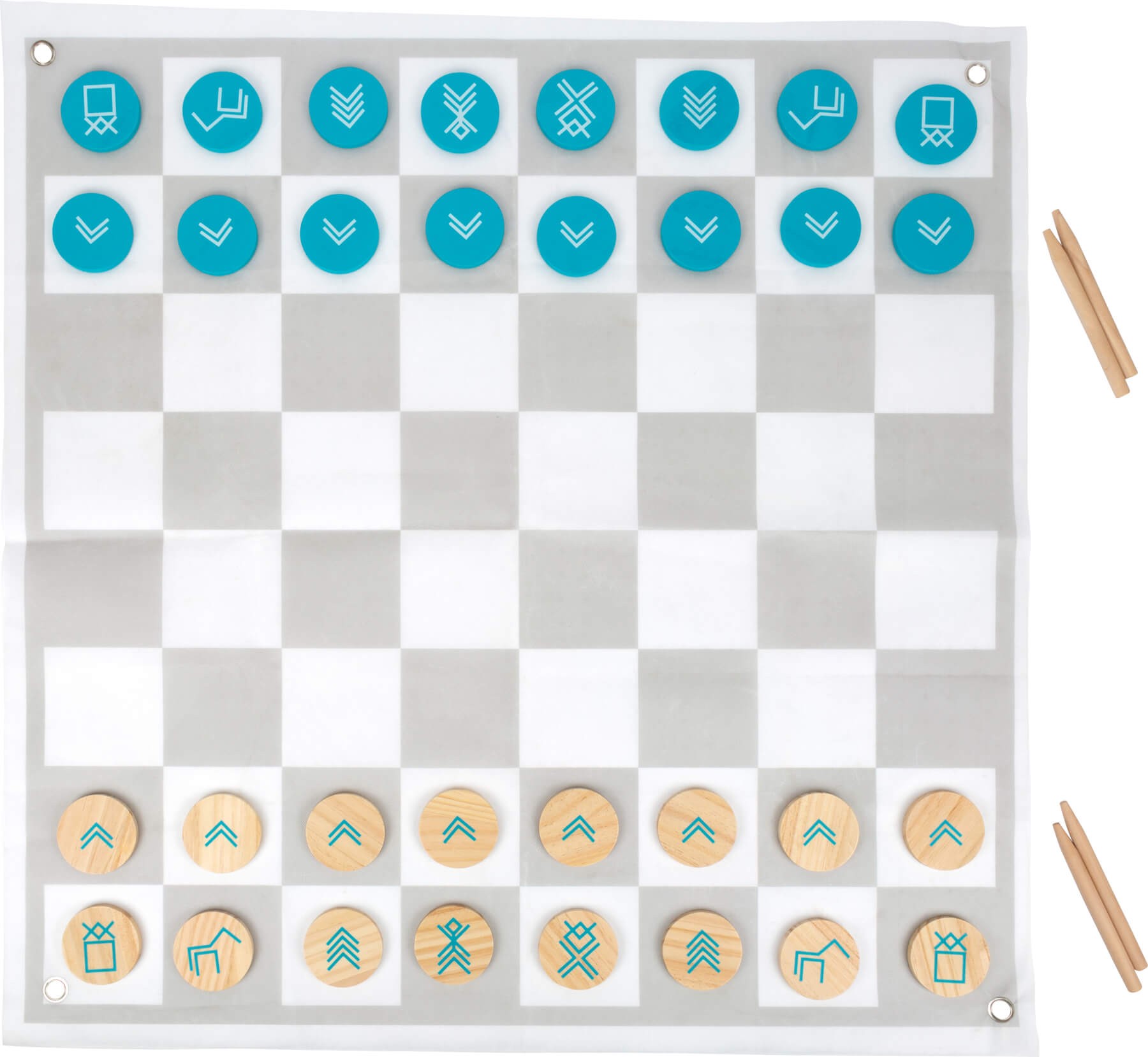
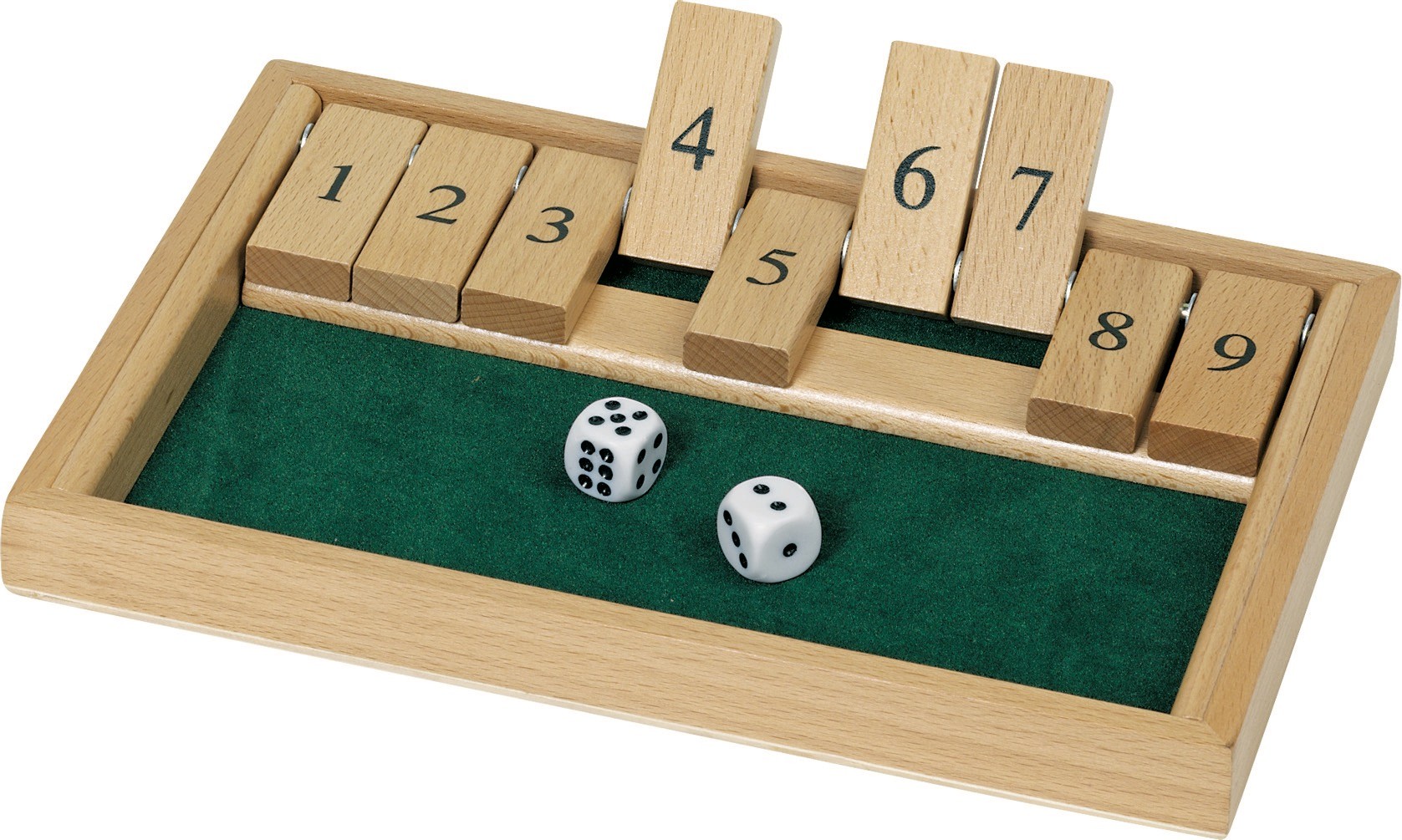
For a quiet evening between two, draughts, chess or the peg deduction game, where one player hides a colour code and the other works it out, are good choices. Tri-dominoes and shut the box, a traditional dice game, work just as well for two as for a crowd.
Family games for the table and the garden
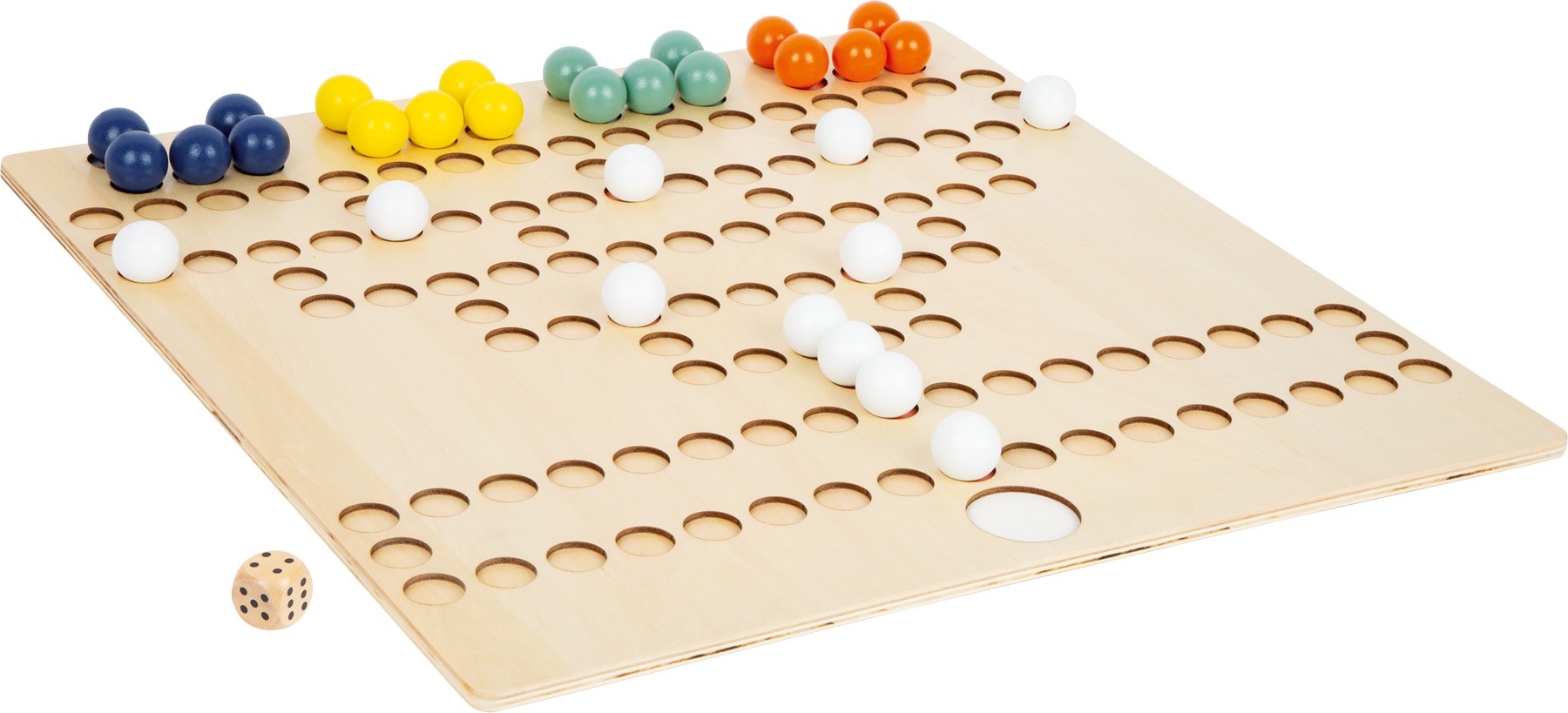
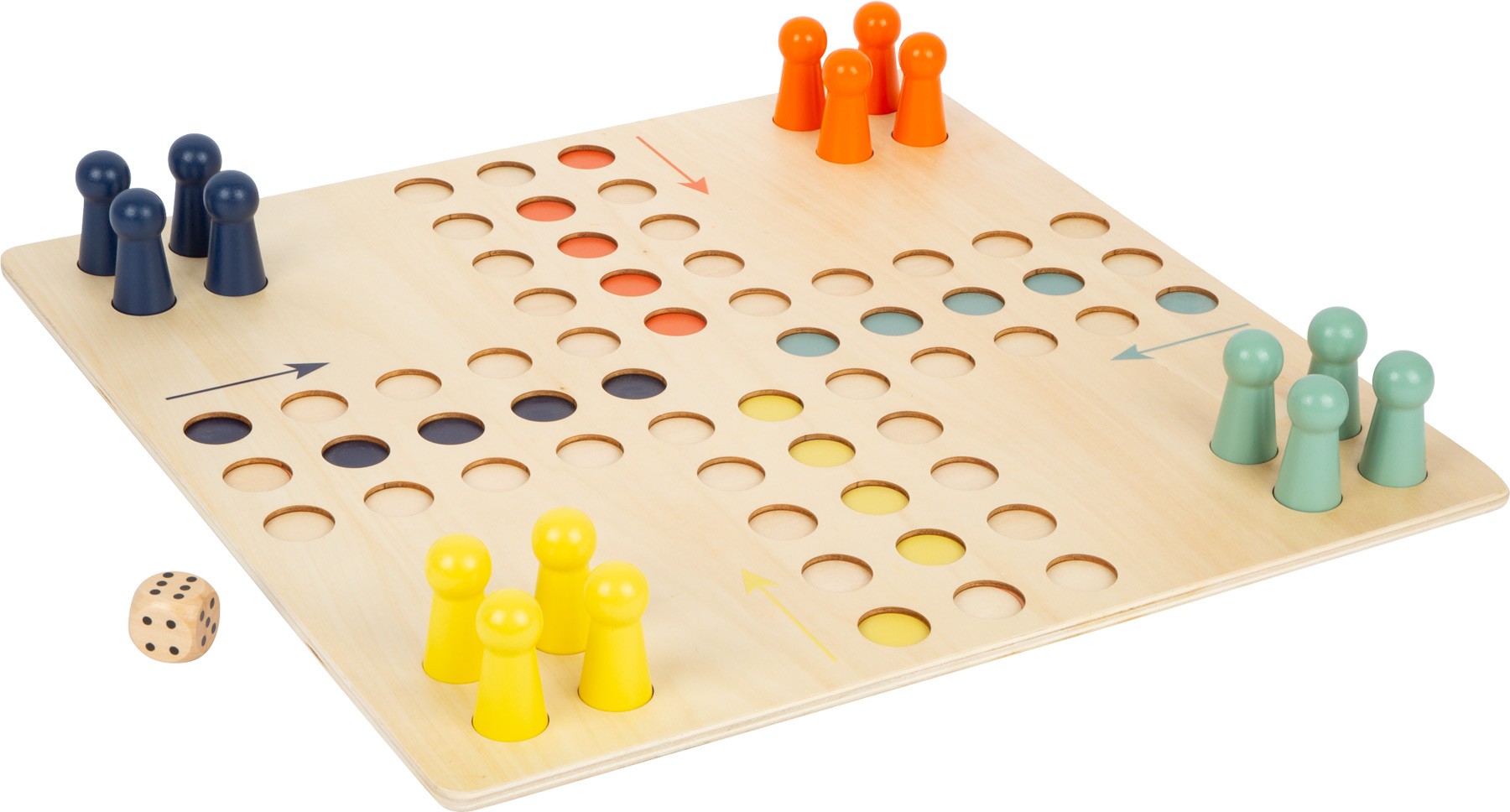
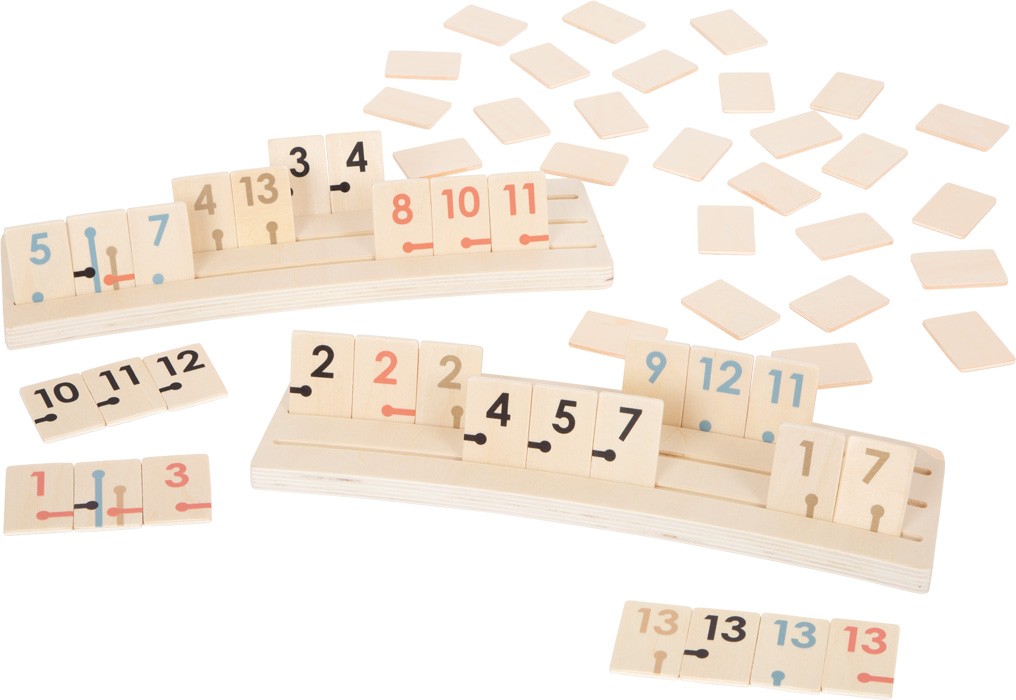
When cousins come round, the giant XXL ludo game, a barricade strategy game and an outdoor chess and draughts set move play onto the lawn. Indoors, rummikub from age 7 and the compendium boxes keep a mixed-age table busy, with something for every player.
How to set up a backgammon board
Backgammon often sits on the reverse of a compendium board. Each player has 15 checkers: counting from your own side, place two on point 24, five on point 13, three on point 8 and five on point 6, and your opponent mirrors this. You then move in opposite directions, racing to bring all 15 home.
Guides d'Éveil Associés à « Board Games »
Guide Complet des Jeux Montessori par Âge (0 à 6 Ans)
Le panorama complet des périodes sensibles pour choisir le bon matériel au bon moment.
Matériel Montessori : Choisir les Meilleurs Jouets en Bois
Critères d'aménagement d'une ambiance sereine et ordonnée à la maison.
La Méthode Montessori : Les 9 Piliers Pédagogiques Fondateurs
Autonomie bienveillante, esprit absorbant et posture de l'adulte selon Maria Montessori.