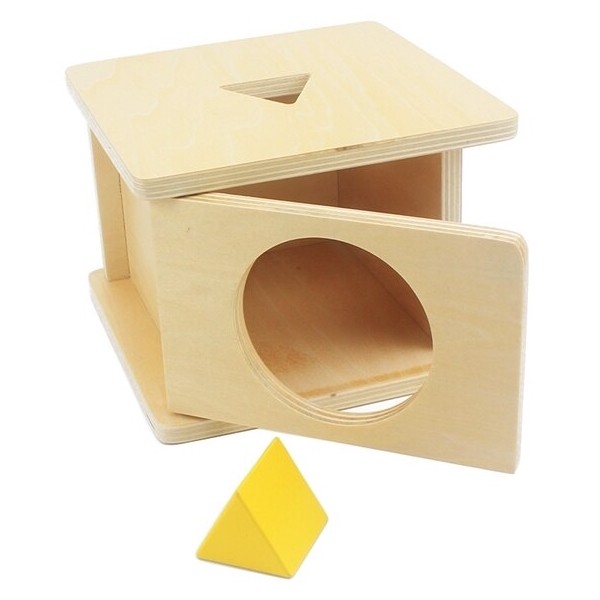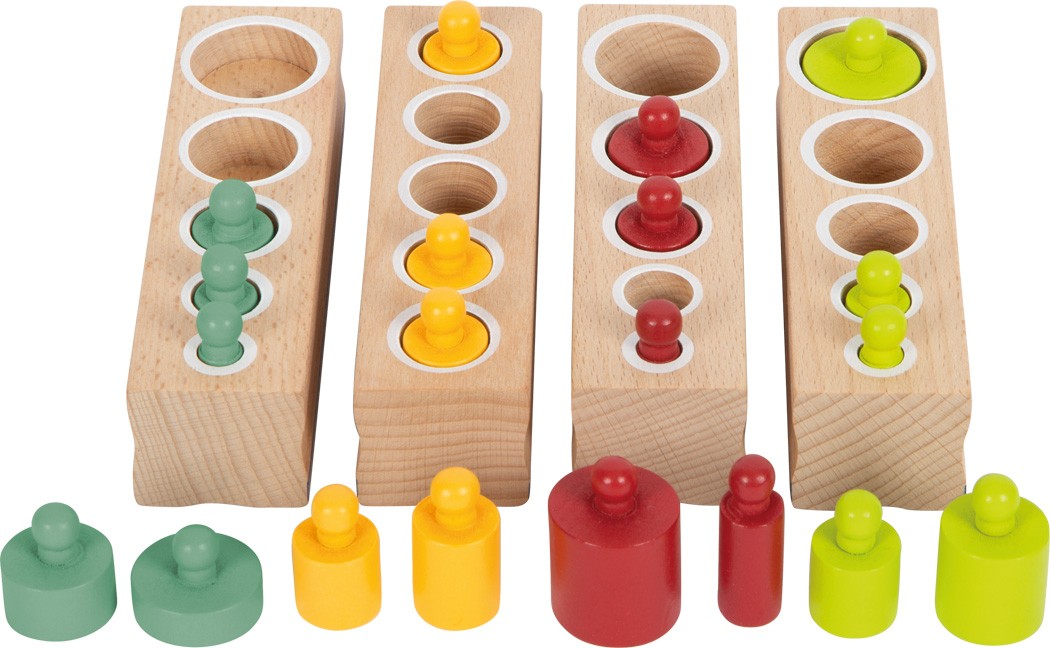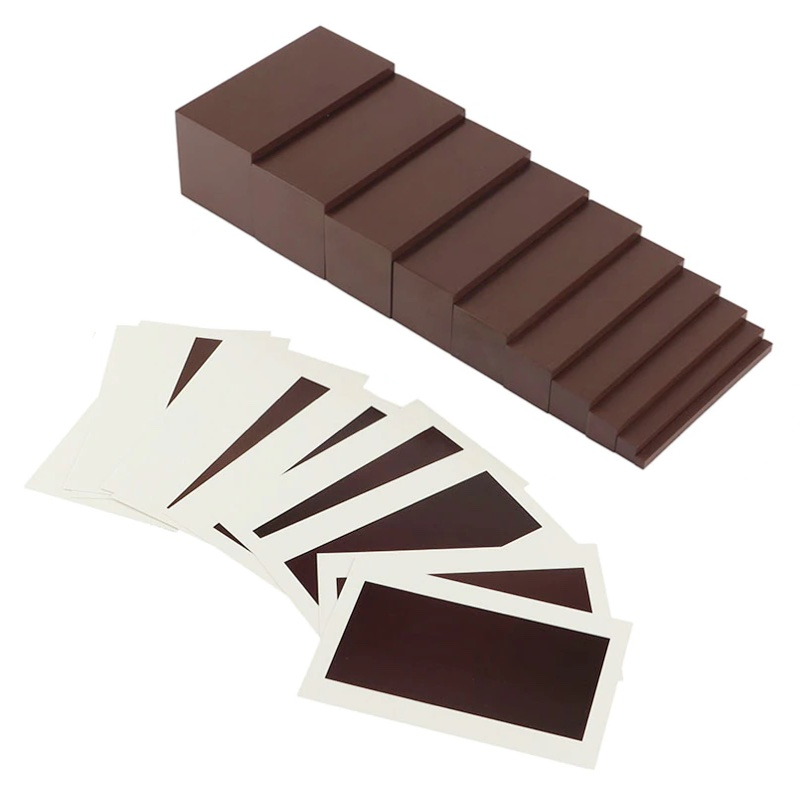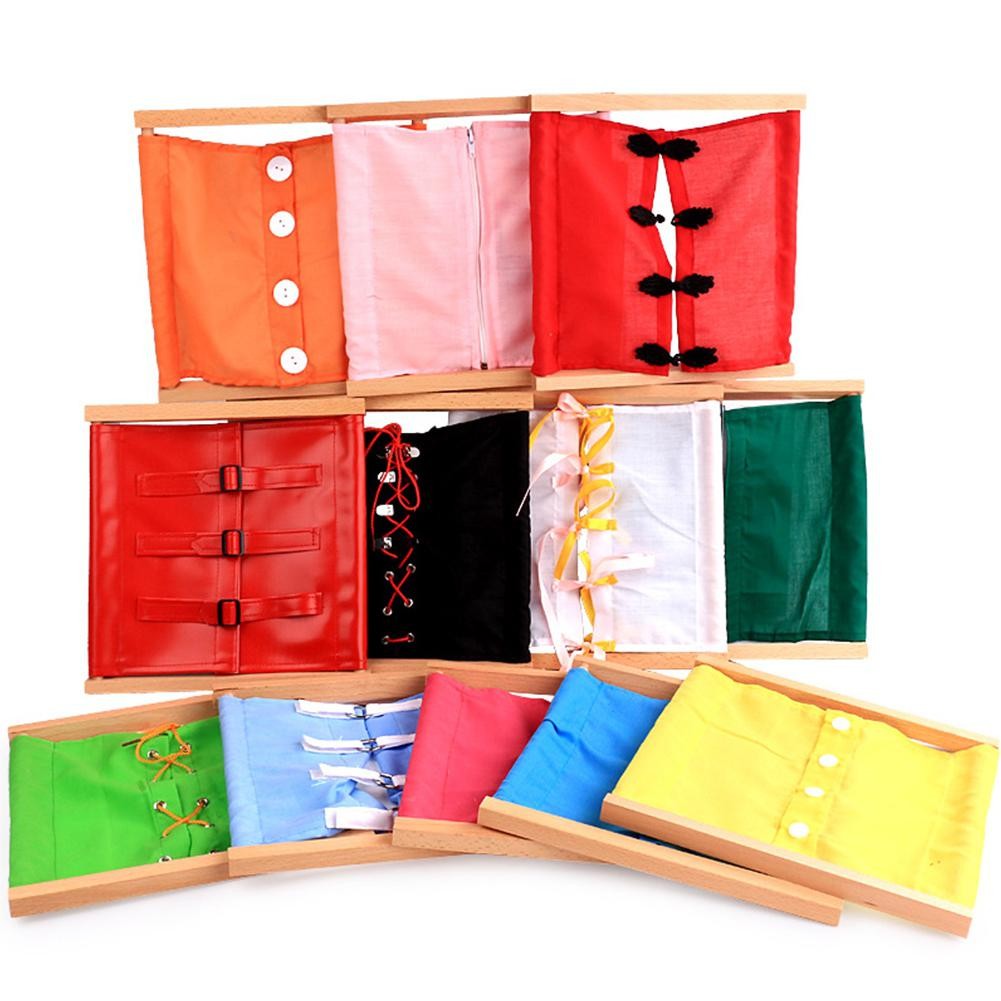

What are Montessori toys? A plain-English answer
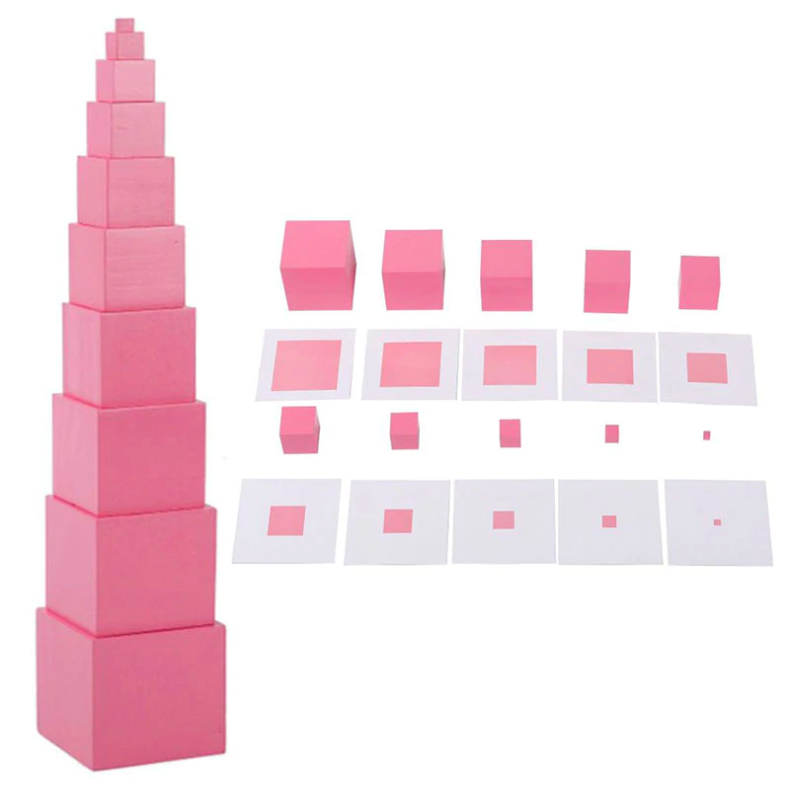
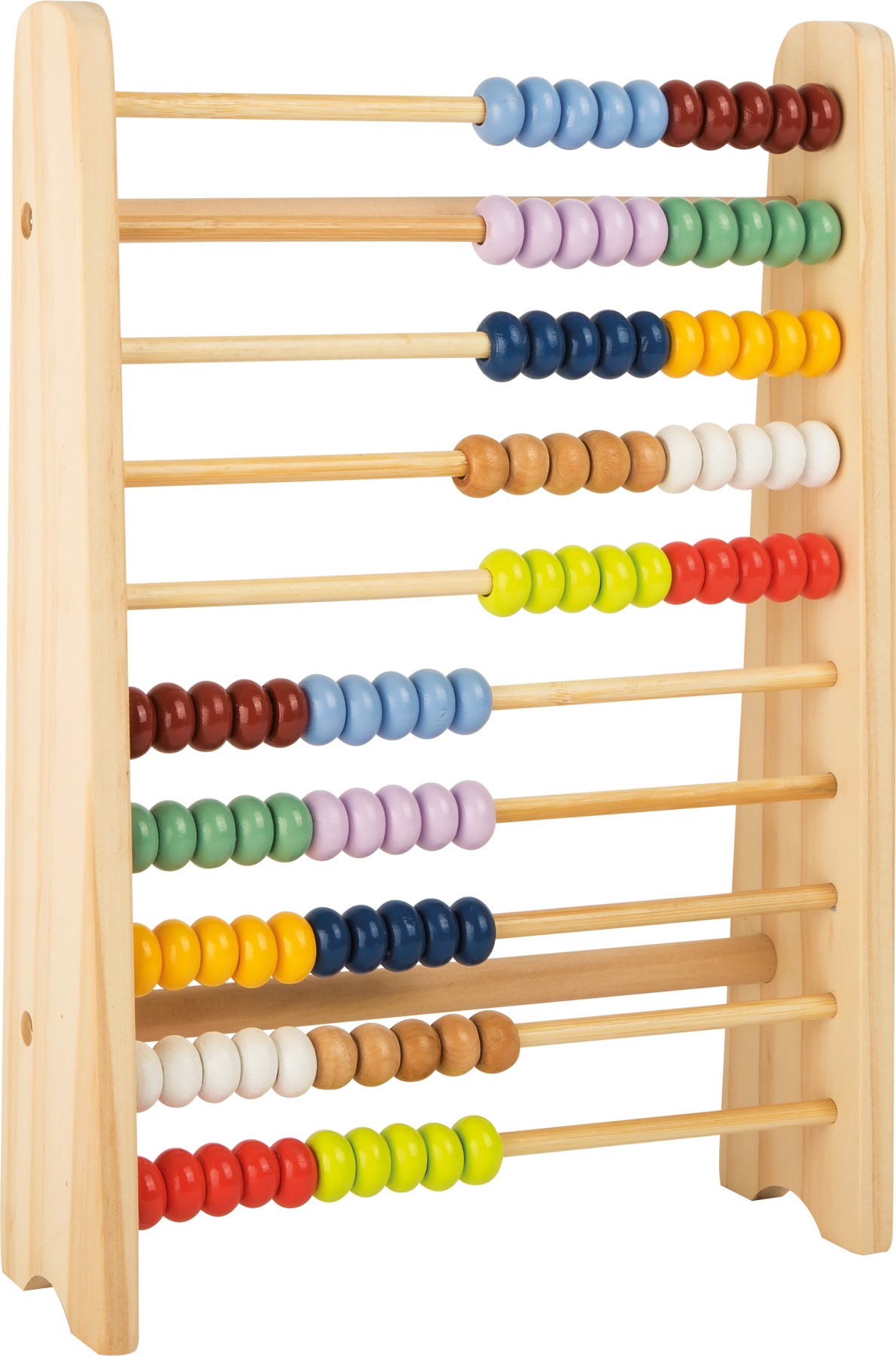
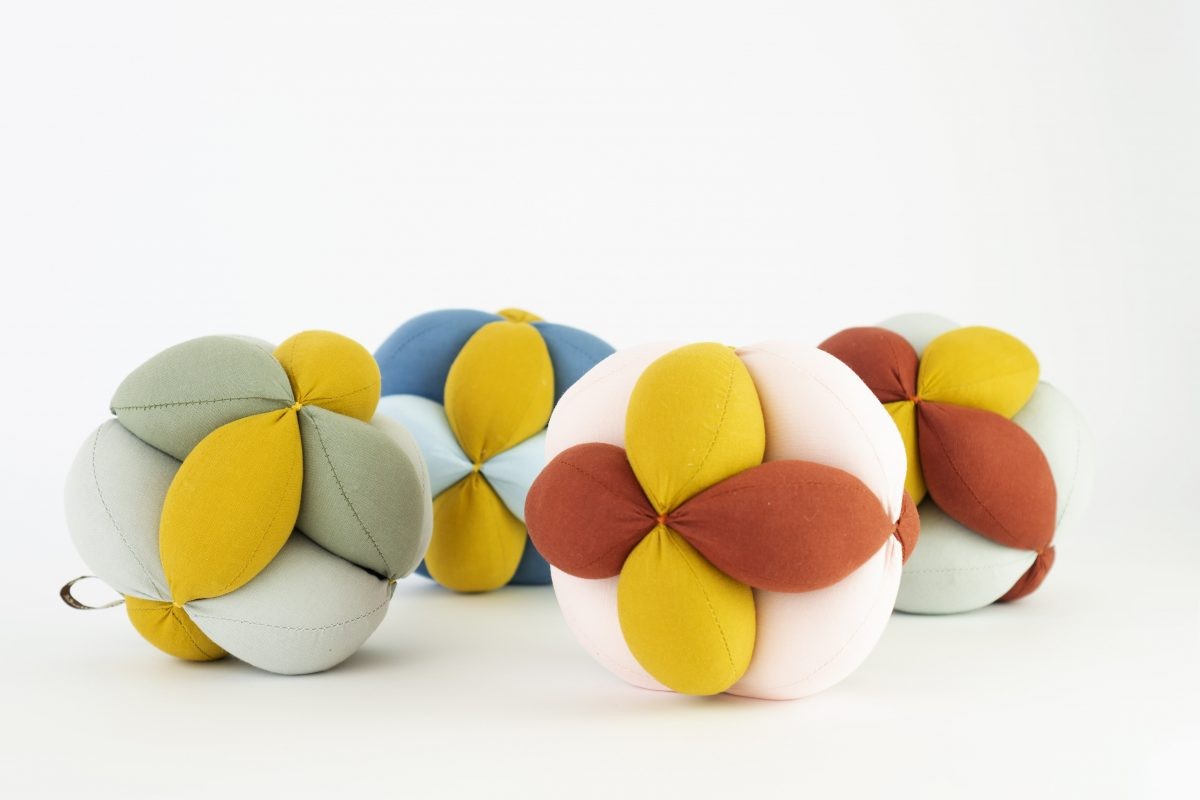
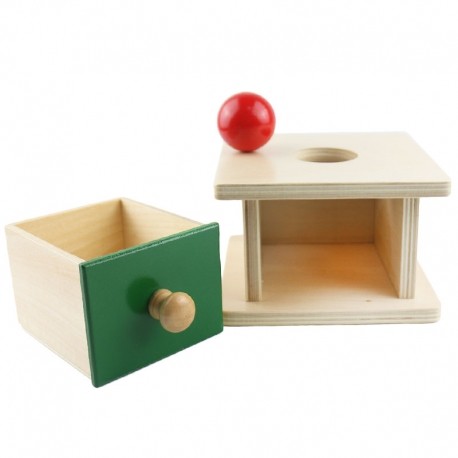
What are Montessori toys? In short, they are the materials of an approach to learning that starts by observing the child, then gives them a space and objects designed so that they learn through their own actions. The word itself is a surname: that of Maria Montessori (1870-1952), one of the first women to qualify as a doctor in Italy.
In 1907, in San Lorenzo, a working-class district of Rome, she opened the first Casa dei Bambini, the ‘Children’s House’. There she tried out objects inspired by the work of two French doctors, Jean Itard and Édouard Séguin, noted what the children chose, repeated or ignored, and then adjusted them. The materials that bear her name today grew out of those years of observation.
Real Montessori toys: the four ideas behind the name
When a parent sees ‘Montessori’ on a box, the word points to four simple ideas, all of them easy to bring into your own home:
- Free choice within limits: the child picks an activity from a few options set out within reach, then puts it back in its place once they have finished.
- Sensitive periods: at certain ages, a child is drawn with particular intensity to order, to movement, to language or to tiny objects. The materials follow these drives instead of trying to get ahead of them.
- The hand before abstraction: the child lifts a block, slides a bead or traces a letter with a finger before naming, counting or writing.
- The adult steps back: they prepare the space, demonstrate slowly, then observe. They do not interrupt a child who is concentrating, and they do not correct the work on the child's behalf.
Together, these principles make up what is known as the Montessori method of teaching, which began in the classroom before being adapted for families. Keeping this definition in mind helps you sort through everything on offer: a brightly coloured toy stamped ‘Montessori’ does not necessarily follow the spirit of the approach, whereas a small jug sized for a child's hands fits it perfectly.
À la maison : Le conseil pratique
Before you buy anything, watch your child for a week: what they open, empty, stack or repeat. What their hands are busy with right now will tell you which material to offer far better than any ready-made list.